
Why Frost Dates Matter More Than the Calendar
This post is part of our garden planning series, focused on helping you make timing decisions before planting season starts pushing back.
Let’s get this out of the way first: A lot of the “official” gardening information out there feels surprisingly unhelpful when you’re actually trying to decide when to start. The
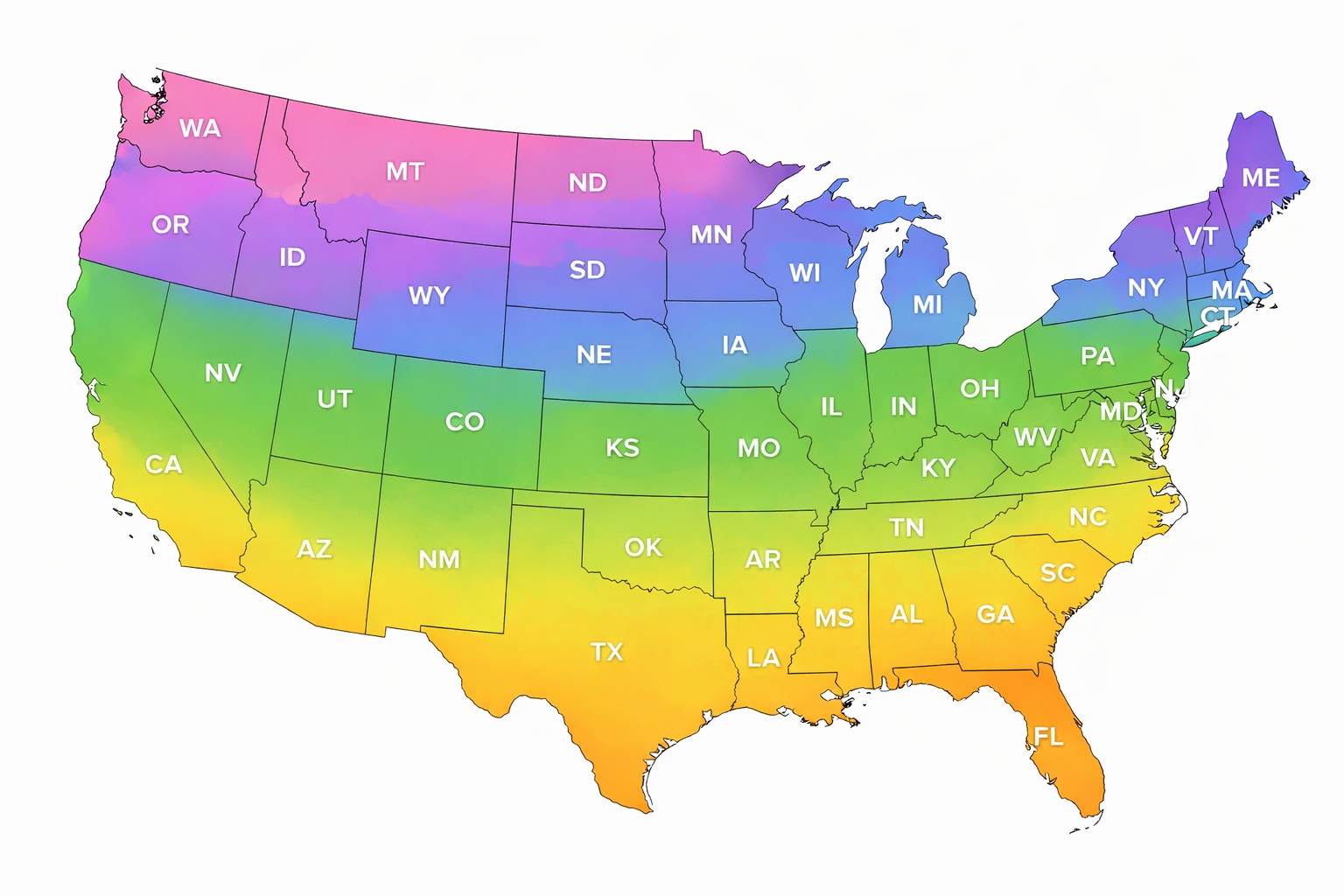
official USDA Plant Hardiness Zone Map is marketed as a plant guide map, but it just

shows how cold it gets aka your freeze dates. It shows zones, numbers, and colors. All this is presented as if it’s the key to successful gardening.
And yet, when you’re standing in your kitchen with a seed packet in late winter, none of that answers the real question:
What am I supposed to do now?
Knowing how cold it might get in January doesn’t tell you when to start seeds in February. That’s where most gardeners get stuck — and where frost dates finally start to earn their keep.
Why the Calendar Doesn’t Work (and Freeze Data Doesn’t Help Much Either)
Planting by the calendar only works if everyone’s spring looks the same. It doesn’t. And while freeze or hardiness data is useful for long-term plant survival, it’s not especially helpful for deciding:
- when to start seeds indoors
- when to move plants outside
- when spring actually begins where you live
That’s why so much garden advice feels contradictory. It’s missing a local timing reference.
Frost Dates: The Information That Actually Helps
Your average last frost date is the point in spring when freezing temperatures are unlikely to continue in your area. It’s based on historical weather data, averaged over many years.
That word average matters. This date is not:
- a promise
- a green light
- a guarantee
What it is:
- a planning reference
- a way to make seed packet instructions usable
- a starting point instead of a guess
Why Seed Packets Are Written Around Frost Dates

Seed packets don’t usually say “plant on April 10.”
They say things like:
- Start indoors 6–8 weeks before last frost
- Plant outdoors after the danger of frost has passed
Without a frost date, that advice is meaningless. With one, it turns into an actual window you can plan around.
How Gardeners Actually Use Frost Dates
This is the simple, practical version:
- Find your average last frost date
- Count back the recommended number of weeks
- Treat the result as a range, not a rule
Example:
- Average last frost = March 15
- Seed packet says “start indoors 8 weeks before last frost”
- That puts seed starting around January 15
And if you’re reading this in February and thinking, “Well… I’m already behind,”
you’re not alone. Ask me how I know. 🙂
How to Find Your Average Last Frost Date
These tools make it easy and free:

Use ZIP-code tools for planning. Use maps to understand patterns — not to set dates.
What If a Late Frost Happens Anyway?
This is where frost dates get a bad reputation — they’re averages, and averages aren’t perfect. So instead of pretending frost dates are foolproof, experienced gardeners plan around that uncertainty.
That might look like:

- starting extra seedlings
- keeping a few plants indoors as backup
- not transplanting everything at once
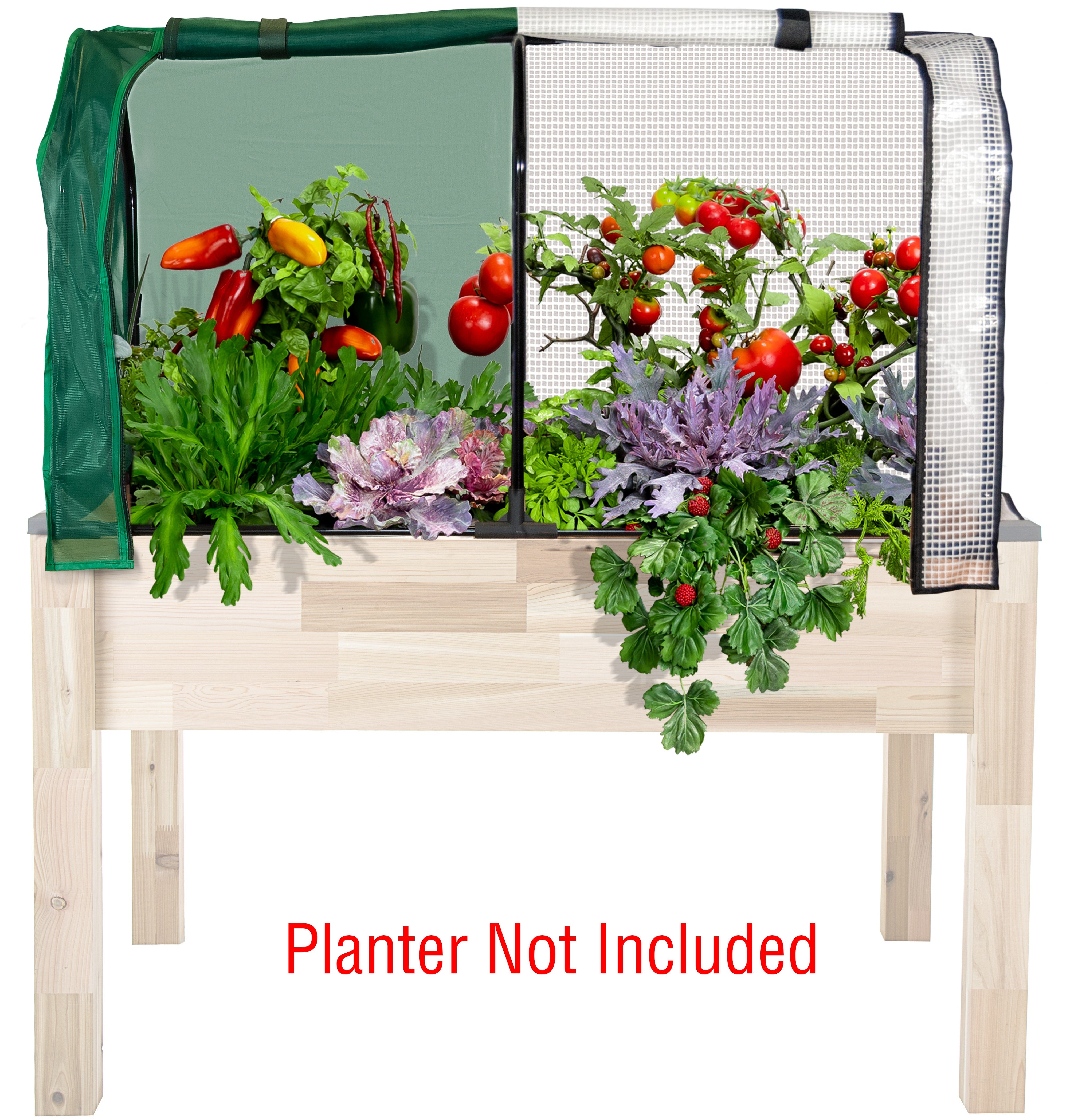
- using row covers, frost cloth, or greenhouse covers early
It can also look like flexibility.
When a cold night is in the forecast, I’ve pulled plants closer to the house — or even rolled a planter into the garage — and turned it into a quick family effort instead of a last-minute scramble. It doesn’t eliminate frost risk, but it does make responding to it feel more manageable.
If frost does hit after planting, response matters more than regret.
We cover that in detail here:
When Frost Happens: A Real Gardener’s Guide to Surviving the Chill
Coming Up Next
Turning Timing Into a Plan: How to Lay Out Your Garden Before You Plant

Mischelle, the Backyard Hopeful - Mischelle is a lifelong planner who somehow never planned her garden—until timing, frost dates, and a few too many rushed spring starts finally made her slow down. She writes about gardening the way she’s learning it: thoughtfully, imperfectly, and with a healthy respect for trial, error, and starting earlier next time.