
When I was getting married, I had a small cultural lesson. I’m from Texas, and I got married on the East Coast, near New York, where my husband is

from. At one point, I asked the woman at the venue if I really needed to do a seating chart for dinner. Where I’m from, that is not always such a big thing. She laughed and said, “Imagine two women duking it out for a certain seat.”
Message received. I did a seating chart.
And honestly, I think about that more than I probably should when it comes to gardening.
Because some things really do better with thoughtful placement.
Some people should not just be turned loose and left to sort themselves out, apparently. And as it turns out, some plants are the same way.
That is basically how I think about companion planting.

Not as some rigid garden rulebook where every plant has a best friend, an enemy, and a long list of emotional needs. And not as one more overwhelming chart to memorize before you can even plant basil without feeling underqualified.
I think of it more simply than that.
Companion planting is really just about being a little more intentional. It is about choosing plants that do more than sit there looking pretty. Some may help discourage pests. Some may attract pollinators or beneficial insects. Some may distract bugs from the plants you actually care about. And some just help create a healthier, more balanced little growing space.
For everyday gardeners, that is where companion planting starts to make sense.
Because most of us are not trying to master a complex planting code. We are just trying to grow herbs, vegetables, and flowers we enjoy, and maybe stop bugs and critters from treating the whole thing like an open buffet.
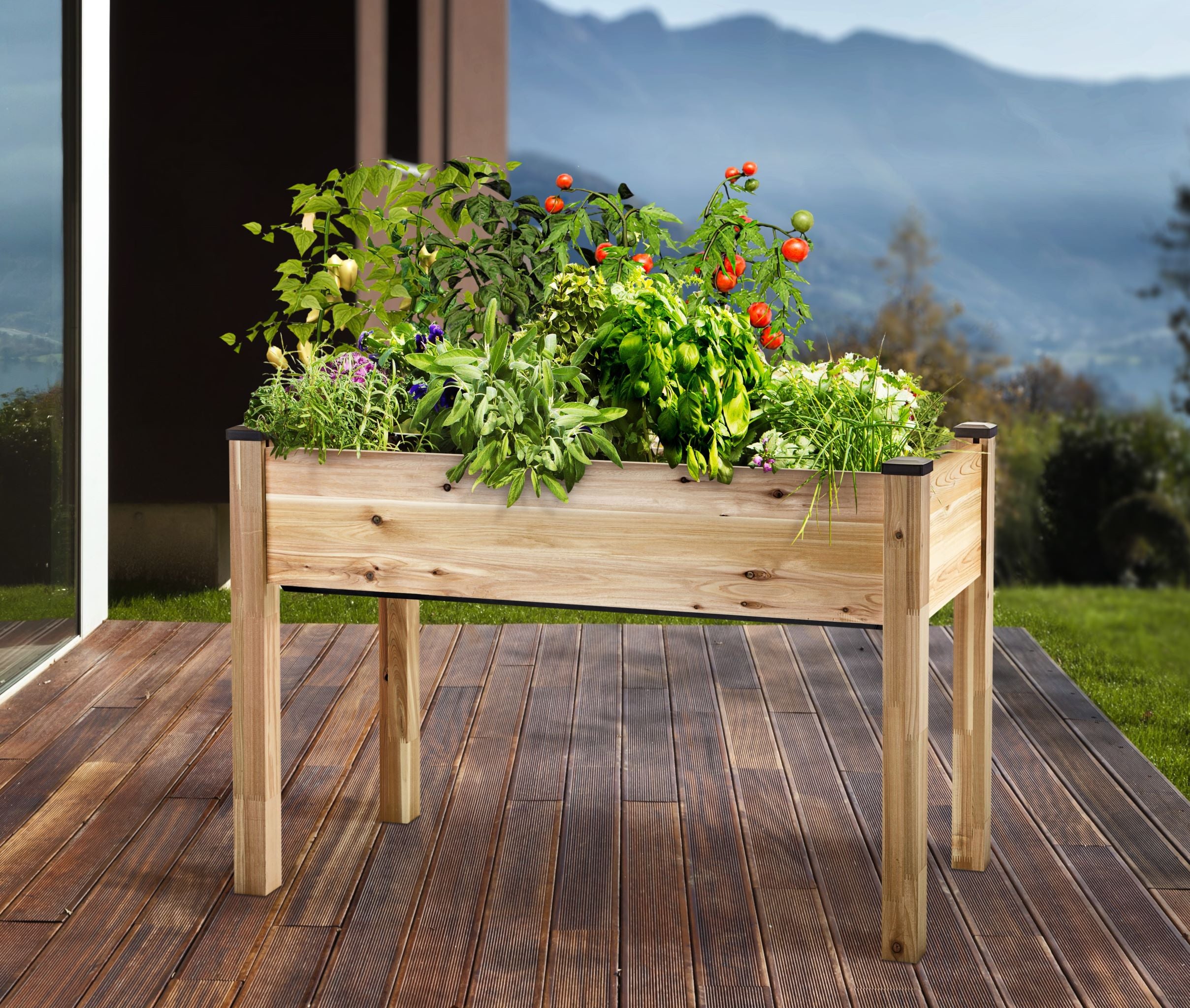
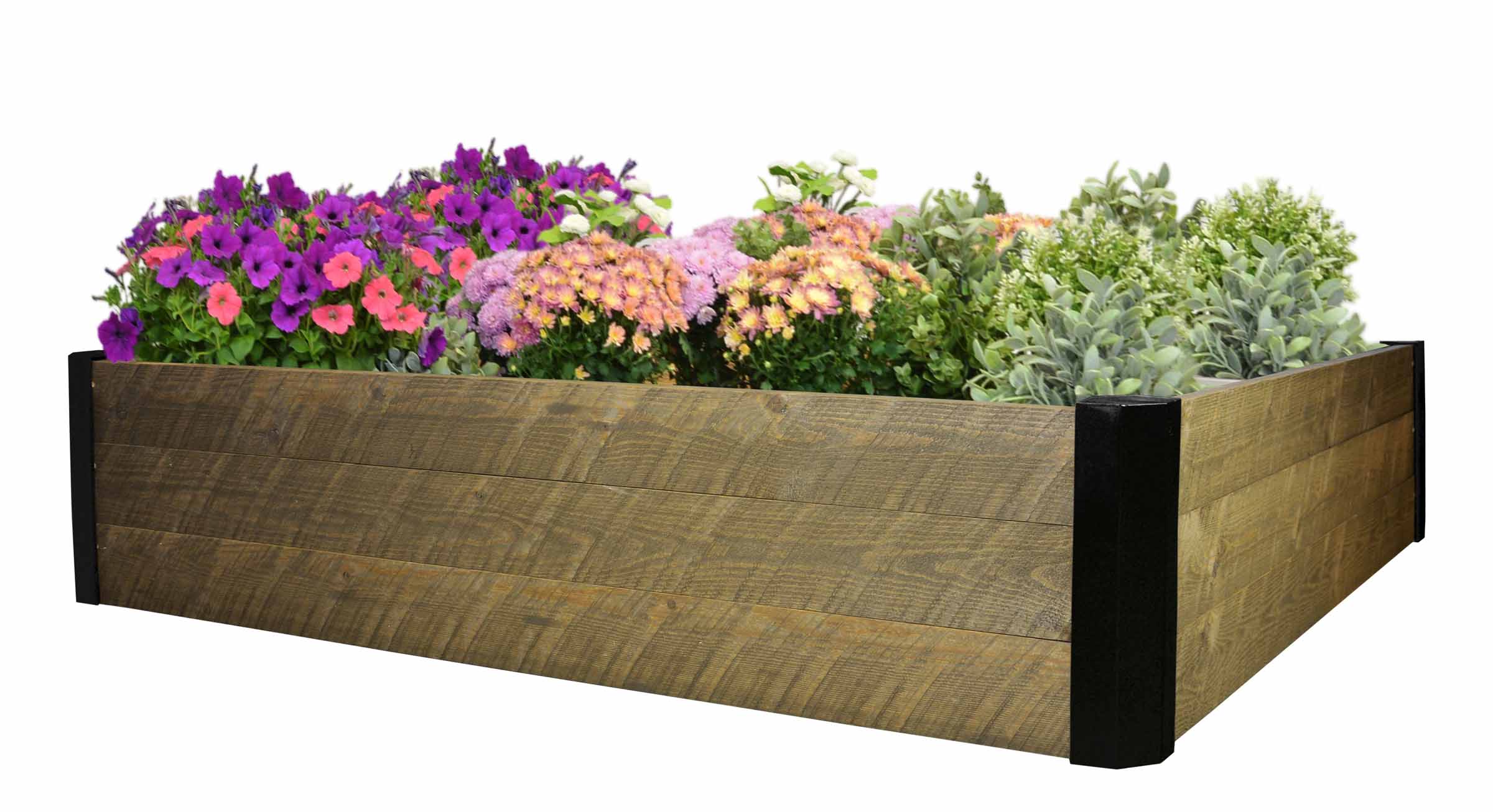
So instead of covering every possible pairing under the sun, I want to talk about companion plants that actually make sense for real life — especially if you are growing in planters or raised beds and want plants that earn their keep.
What Makes a Companion Plant Actually Useful?
For me, a useful companion plant has to do something.

Maybe it gives off a strong scent that makes it harder for certain pests to zero in on tender herbs and vegetables. Maybe it attracts pollinators. Maybe it brings in beneficial insects that help with the garden balance. Maybe it acts as a decoy and takes one for the team. Maybe it simply adds variety to the planting space, which can be a good thing when you are trying not to make your garden look like one giant invitation to every hungry bug in the neighborhood.
That is the part I like.
A good companion plant is not just there to fill a gap. It has a job.
And just to keep expectations realistic, I am using “may help” on purpose. Companion planting is not magic. It is not foolproof. It is just one smart layer in a healthier overall garden setup.
Which, honestly, is enough for me.
Marigolds
Let’s start with the classic.
Marigolds are probably the first thing people mention when companion planting comes up, and for once, the popular answer actually makes some sense.
They are often planted near herbs and vegetables because of their strong scent. The general idea is that heavily scented plants may help confuse or discourage some unwanted insects. They also attract pollinators, which is always a plus in a productive garden.

That is really the “why” with marigolds: scent and diversity.
If you plant one big uninterrupted patch of the exact same thing, pests have a pretty easy time finding what they came for. But when you mix in flowers and herbs with different scents, textures, and shapes, the whole area becomes a little less obvious and a little less inviting.
And even if marigolds are not out there performing miracles, they are still hardworking little flowers. They add color, they are easy to grow, and they fit beautifully into raised beds and larger planters.
I especially like them with basil, tomatoes, and peppers — plants that always seem to attract more attention than I would prefer.
Nasturtiums
Nasturtiums are one of those plants that feel charming and useful at the same time, which is always a nice combination.
They trail beautifully, soften the edges of planters and beds, and are often used as what gardeners call a trap crop. In other words, pests may be more drawn to them than to the vegetables or herbs growing nearby.
Which, honestly, is not the worst strategy.
If something is going to get chewed on, it might as well be the plant I put there knowing that was at least a possibility.
That is the “why” with nasturtiums. They can act as a distraction.

They also just make everything look a little more relaxed and lived-in, which I appreciate. Some edible gardens can start to feel a little too serious if every plant looks like it showed up to work a double shift. Nasturtiums help soften that.
I think they make a lot of sense near lettuce, kale, cucumbers, and herbs, especially in raised beds or planters where you want something trailing over the edge and doing more than just looking pretty.
Chives
Chives are one of my favorite practical companions because they are useful in the garden and useful in the kitchen, which is really the kind of multitasking I respect.
Since they are part of the onion family, they have a stronger scent that may help discourage certain pests. Again, that comes back to smell. Many insects rely on scent to find the plants they want, so adding stronger-smelling companions can make things a little less straightforward for them.
That is why chives make so much sense to me.
They are compact. They behave themselves. They do not take over the planter. And they work beautifully in mixed herb setups.
I especially like the idea of chives near basil. Basil is one of those plants I get attached to quickly. The moment it starts looking healthy and lush, I am already mentally halfway to pesto. So anything that may help make that planter less inviting to pests feels like a good use of space.
Plus, chives are just solid neighbors. No drama. No wandering. No nonsense.
Lavender
Lavender is not right for every setup, but when it fits, it really earns its place.
It brings strong fragrance, attracts pollinators, and is often less appealing to critters than tender greens and soft herbs. So the “why” here is both scent and pollinator support.
Lavender can help make an area more attractive to the good visitors while feeling a little less inviting to the bad ones.

That said, lavender also has standards.
It likes sun. It likes well-drained soil. It does not necessarily want to be crowded into a thirstier planter where everyone is on a completely different watering schedule.
So for me, lavender makes more sense nearby than forced into every mix just because it sounds nice on paper.
This is one of those companion plants that works well when you let it be itself instead of trying to make it fit somewhere it clearly does not want to be.
Honestly, relatable.
Mint
Mint is one of those plants that always sounds like a great idea until you remember that it has absolutely no respect for boundaries.
Yes, it has a strong scent. Yes, that scent may help make an area less appealing to some bugs. Yes, it is useful and smells wonderful and seems very eager to participate.
But mint also hears “grow here for a bit” and takes that as a personal invitation to run the entire operation.
So while I do think mint can be part of a natural pest-deterring strategy, I would keep it in its own container unless you are prepared for a very one-sided relationship.
The “why” still makes sense. Strong scent can help create a more confusing environment for pests looking for a specific plant.
The practical takeaway is just that a good companion plant still has to be a good fit for the space. And mint, lovely as it is, tends to do best as a nearby companion rather than a tucked-into-the-middle-of-everything companion.
I say that with affection and caution.
Dill
Dill deserves more credit than it gets.
It may not be the first plant people think of when they are trying to keep pests in check, but dill can attract beneficial insects, and that is just as important.
Because a healthy garden is not only about what you keep out. It is also about what you welcome in.
That is the “why” with dill. It can help bring in the helpful bugs — the ones that prey on the pests you would rather not host.
I also like dill because it has a light, airy look that mixes in easily with vegetables and herbs. It adds height and softness without making everything feel cramped, which matters in planters and raised beds where space is always a little more precious.
Dill is one of those quiet overachievers. Not flashy, but useful.
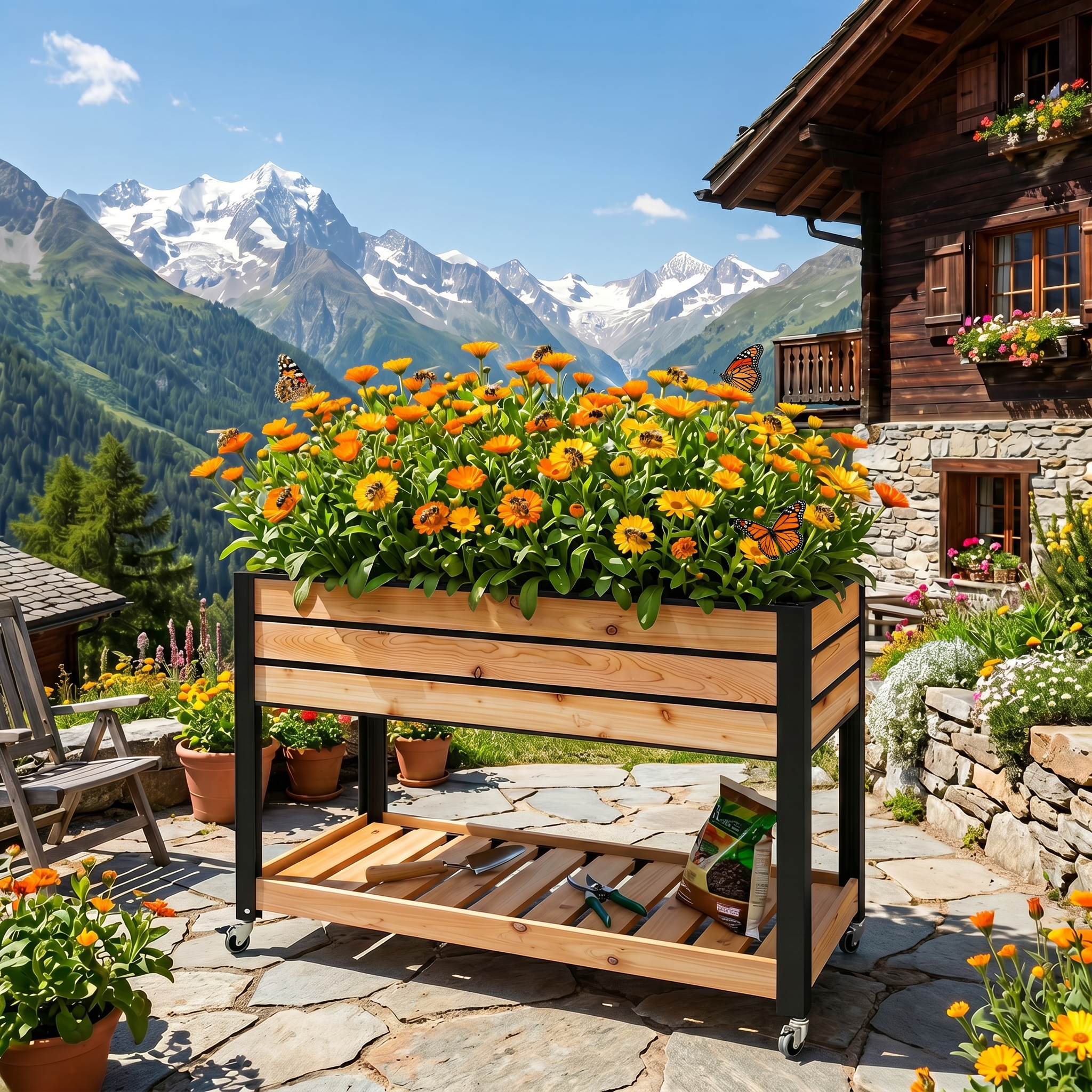
Calendula
Calendula is another flower that deserves a place in this conversation.
It adds color, attracts pollinators and beneficial insects, and helps create more diversity in

the garden. And diversity really is part of the bigger “why” behind companion planting.
A mixed planting is often healthier and more resilient than a space where everything is the same height, same scent, and same shape. Variety can help make the area feel less predictable to pests and more supportive for pollinators and beneficial insects.
Calendula does all of that while still looking like it belongs in an edible garden.
It is easygoing, bright, and practical — which is pretty much what I want from a companion plant.
Pairings That Actually Make Sense
This is where companion planting gets a lot less intimidating.
You do not need a giant chart. You do not need to turn your planter into some kind of botanical social experiment. You just need a few combinations that make practical sense.
If you are growing basil, for example, pairing it with chives or marigolds feels like a smart move. Basil tends to be one of those plants people get invested in quickly. It smells amazing, it looks beautiful, and the second it starts thriving, something usually seems to notice.
At least that has been my experience.
A planter with basil, chives, and a marigold or two makes sense because every plant in that mix is doing something. The basil is the star, the chives add another layer of scent, and the marigolds bring color and potential support.
That is the kind of pairing I like best — practical, pretty, and easy to understand.
The same goes for lettuce with nasturtiums, tomatoes with basil and marigolds, or a mixed herb planter with a few strongly scented companions tucked in thoughtfully.
The point is not perfection. It is just being intentional enough to give your plants a little support.
What Companion Planting Can and Cannot Do
This is where I feel obligated to say that companion planting is helpful, but it is not magic.
I wish I could tell you that one cheerful marigold would solve all your problems and send every bug and critter somewhere else. I really do. My basil would appreciate that kind of guarantee.
But companion planting works best when it is part of a healthy overall setup: good soil, proper spacing, consistent watering, sunlight, and regular garden check-ins.
If plants are stressed, crowded, or struggling, a few helpful neighbors can only do so

much.
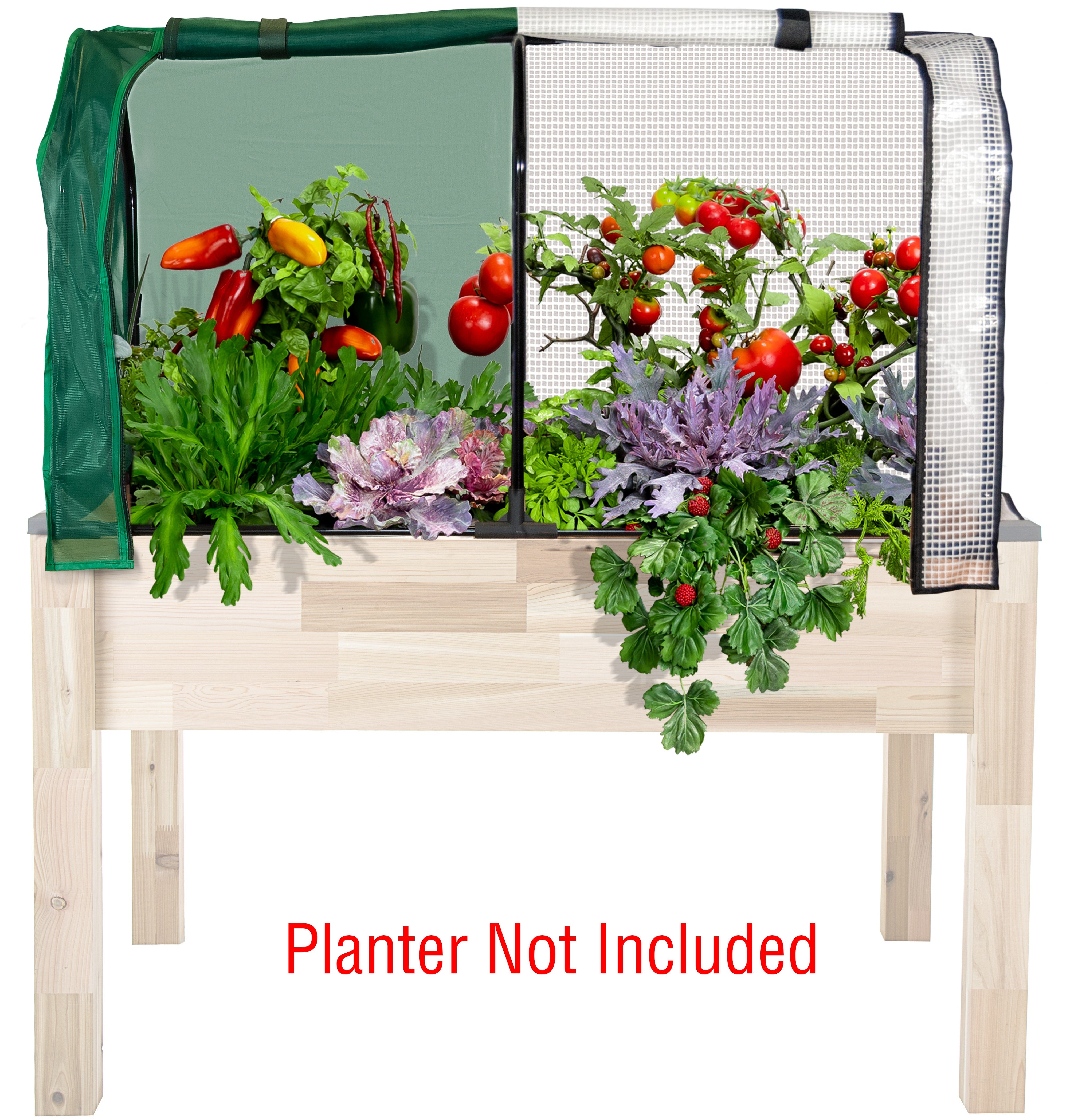
And when pest pressure is especially high, that is where added protection can make a real difference too. A CedarCraft Greenhouse or Bug Cover can help shield tender plants while still letting them get the light and airflow they need. Sometimes a garden needs good companions. Sometimes it also needs a little backup.
That feels more honest to me.
Because gardening is rarely about one perfect solution. It is usually a mix of smart choices, good timing, and paying attention when something is clearly not working.
Final Thoughts
I like companion planting best when it is approached with a little common sense.
Not as a strict formula. Not as garden mythology. Just as one thoughtful way to build a healthier, more useful, more beautiful growing space.
For everyday gardeners, the best companion plants are the ones that do more than fill space. They may help with pests. They attract pollinators. They bring in beneficial insects. They soften the look of a planter or raised bed. They earn their place.
And really, that is all I am asking.
If I am giving up precious room in a planter, I want the plants in it to look good, work hard, and ideally help my basil survive the season with a little dignity.
That does not feel like too much to ask.