
This post is part 3 of our 7-part garden planning series, where we’re working step by step toward a garden that fits your life, your space, and the way you actually grow.

For years, my garden has one clear priority: basil…A lot of basil.
My kids go through a quart-sized container of pesto every single week — and they eat basil like salad. If I don’t grow it myself, I’m spending a small fortune trying to keep up.
So basil always comes first. It has to. But eventually, I started wanting more. Tomatoes for summer dinners. Vegetables beyond herbs. And maybe — just maybe — a flowering plant or two that makes my patio feel beautiful instead of purely practical.
That’s when everything we’ve talked about so far in this series starts to matter.
Why Wanting “More” Is Where Planning Begins
In the first post of this series, we talked about why planning matters before seeds go into the ground. This is where that idea becomes real. The challenge isn’t that I don’t know how to garden. It’s that I’ve never thought about my garden as a system.
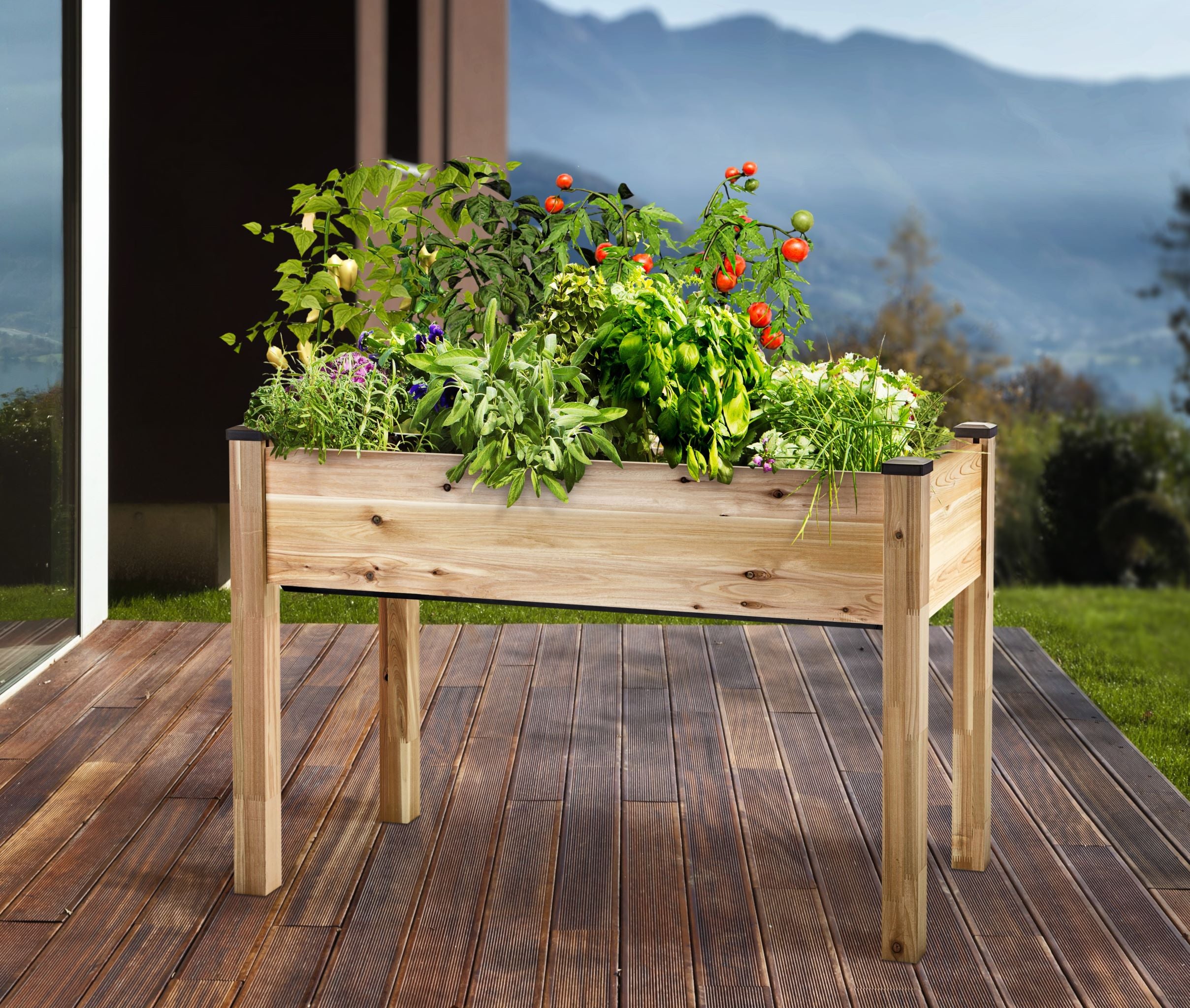
Because most of my yard space is taken up by trees, shrubs, and rock, I grow almost everything in raised, self-watering elevated planters. And honestly? I need the self-watering feature — I’m busy, and I forget to water.
Once I stop fighting my limitations and start planning around them, gardening feels, more fun instead of stressful.
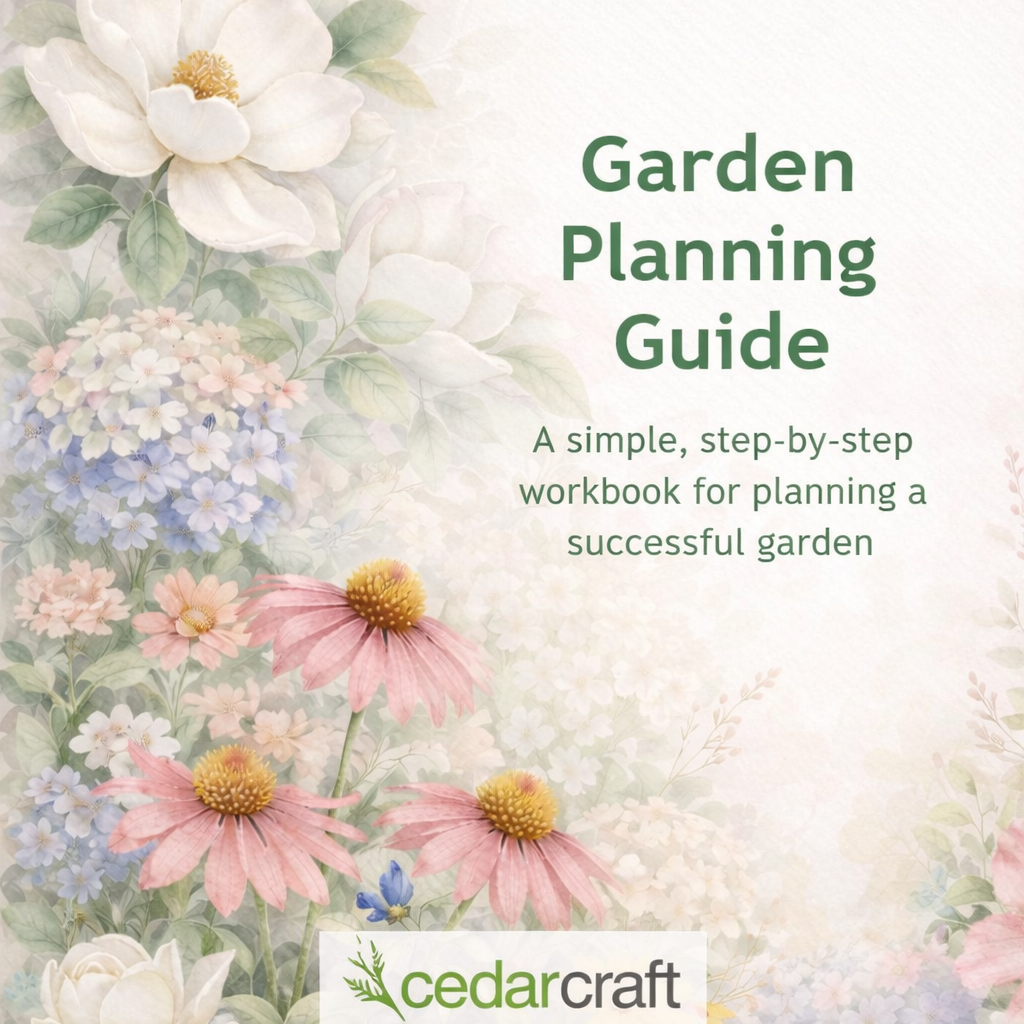
This is exactly why we built the Garden Planner — not to make gardening more complicated, but to help you design with intention.
Step 1: Start With What Actually Matters
Before thinking about layout, timing, or frost dates, I slow down and ask:
What do I actually want from this garden?
In the planner, this shows up as three simple sections:
Non-negotiable plants (for me, basil always lives here)
Plants I’d like to grow (tomatoes, vegetables, things I’m curious about)
Plants that bring me joy (flowers I grow simply because I love seeing them)
This step connects directly back to Blog 1 — because planning only works when it reflects real priorities. Naming these early keeps the rest of the season from feeling overwhelming or guilt-driven.
Step 2: Match Plants to the Garden You Actually Have
Once priorities are clear, the next step is understanding what each plant needs. This is where we move from ideas to reality.
Using the planner’s research table, I take time to note:
- Sun needs
- Water needs
- Which garden area actually makes sense
Instead of forcing plants into spaces because I want them there, I match them to where they’re most likely to thrive. This step builds on the mindset from Blog 1 — Garden Planning 101. When plants fit the space you have, gardening feels easier and far more rewarding.
Step 3: Sketch First, Perfect Later

Only after I understand my plants do I sketch my garden layout. Nothing fancy. No measuring tape. Just a rough drawing.
The planner includes space for this because seeing everything on paper changes how you think. I name each section — partly because it’s fun, and partly because it helps me remember what’s planted where.
Some of my favorites:

- Beefsteak Boulevard
-
Petal Paradise
- L’Herbes Royale
- Salad Central
- The Basil Jungle
This step ties together everything so far — priorities, plant needs, and available space.
Step 4: Timing Brings the Whole Plan Together
This is where Blog 2 comes back into the picture. Using my average last frost date as a guide, I start filling in the timing section of the planner. If you haven’t read it yet, Frost Dates, Timing, and Why This Finally Made Gardening Make Sense (Blog Series 2 of 7) walks through how to find that date and what it actually means.
In the planner, I write down:
- My average last spring frost date / My average first fall frost date.
- When seeds should be started indoors (counting backward)
- When plants can safely move outside
- How each plant is started (indoors, direct sow, or starter plant)
For example, if a seed packet says “start indoors 8 weeks before last frost,” I count back from that date and pencil it in. Suddenly, seed starting feels manageable instead of confusing.
This step doesn’t make gardening rigid. It makes it calmer. I still stay flexible. I still watch the weather. But now I have a plan I can adjust instead of starting from scratch every spring. And if a late frost does sneak in? We cover how to protect plants in When Frost Happens: A Real Gardener’s Guide to Surviving the Chill.
Planning Doesn’t Take the Joy Out — It Makes Room for It
I used to think planning would make gardening feel restrictive. Instead, it gives me room to enjoy it.
I still grow more basil than anything else — because that matters to my family. But now there’s space for tomatoes, vegetables, and flowers that make the garden feel complete.
Planning doesn’t change what I love about gardening. It helps me grow more of it.
Great gardening starts with a plan. Download our free garden planner to organize your

ideas, plan your layout, and prepare for the growing season ahead.
Coming Up Next in This Series
Next, we’ll get into seed starting — what to start early, what can wait, and how to troubleshoot when things don’t go quite as planned.
Because even with a plan, gardens still surprise us — and that’s part of the magic.

Mischelle is a longtime home gardener who believes great gardens start with thoughtful planning, not guesswork. Through practical guidance and real-world experience, she helps backyard growers make informed decisions, avoid common pitfalls, and build gardens that work with their space, season, and lifestyle.