


I used to think buying a planter was just about picking a size and hoping I didn’t kill the basil. But somewhere along the way, I realized that every backyard choice we make—every material, every design—has a ripple effect. That’s why at CedarCraft, we don’t just use cedar. We believe in it. Deeply.
Cedar isn’t just beautiful and durable—it’s also the heart of our sustainability mission. And as it turns out, that mission is shared by some pretty big names… including Costco, and our other retail partner. More on that in a bit.
Let me tell you a little story. In the early 2000s, our founders, Glen and Carol, found themselves at a crossroads. Literally. Unsure of what came next, they hit the road in search of meaning, wood, and maybe a better way to make a living.
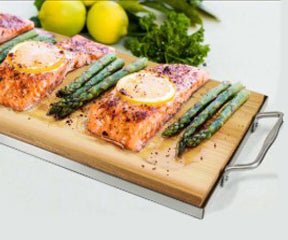
Carol had noticed cedar grilling planks popping up at places like Williams-Sonoma. What if they could make those planks more accessible—and ensure they came from responsible, sustainable sources?
Their search led them through the forests of the Pacific Northwest, eventually landing at Gorman Bros. Lumber, a sustainable mill in British Columbia known for its commitment to forest stewardship. The match? Perfect. The mission? Clear.
At CedarCraft, sustainability doesn’t mean cutting corners. It means making smart, intentional choices—like sourcing solid cedar from responsibly managed forests and working with partners who prioritize forest health over fast profits.
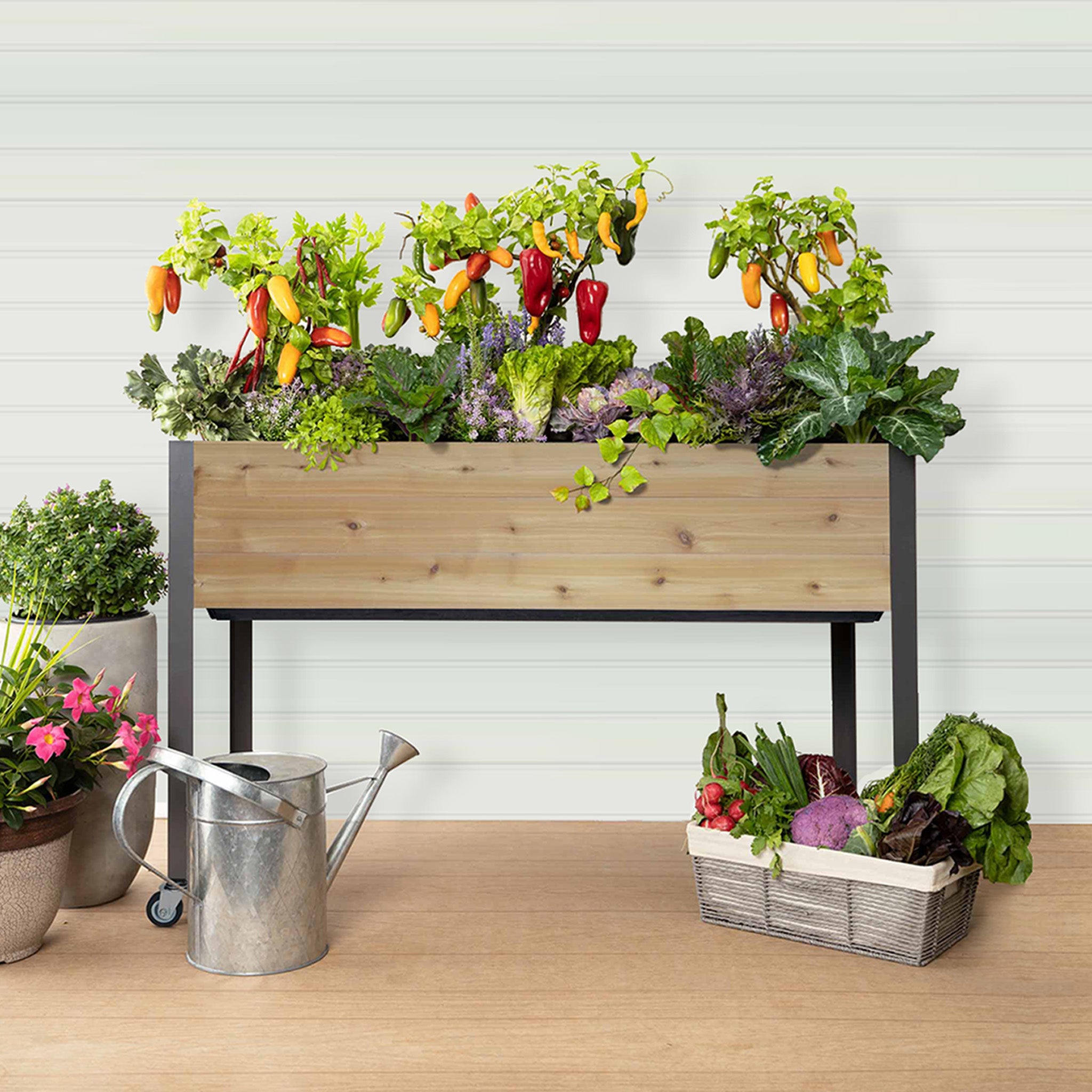
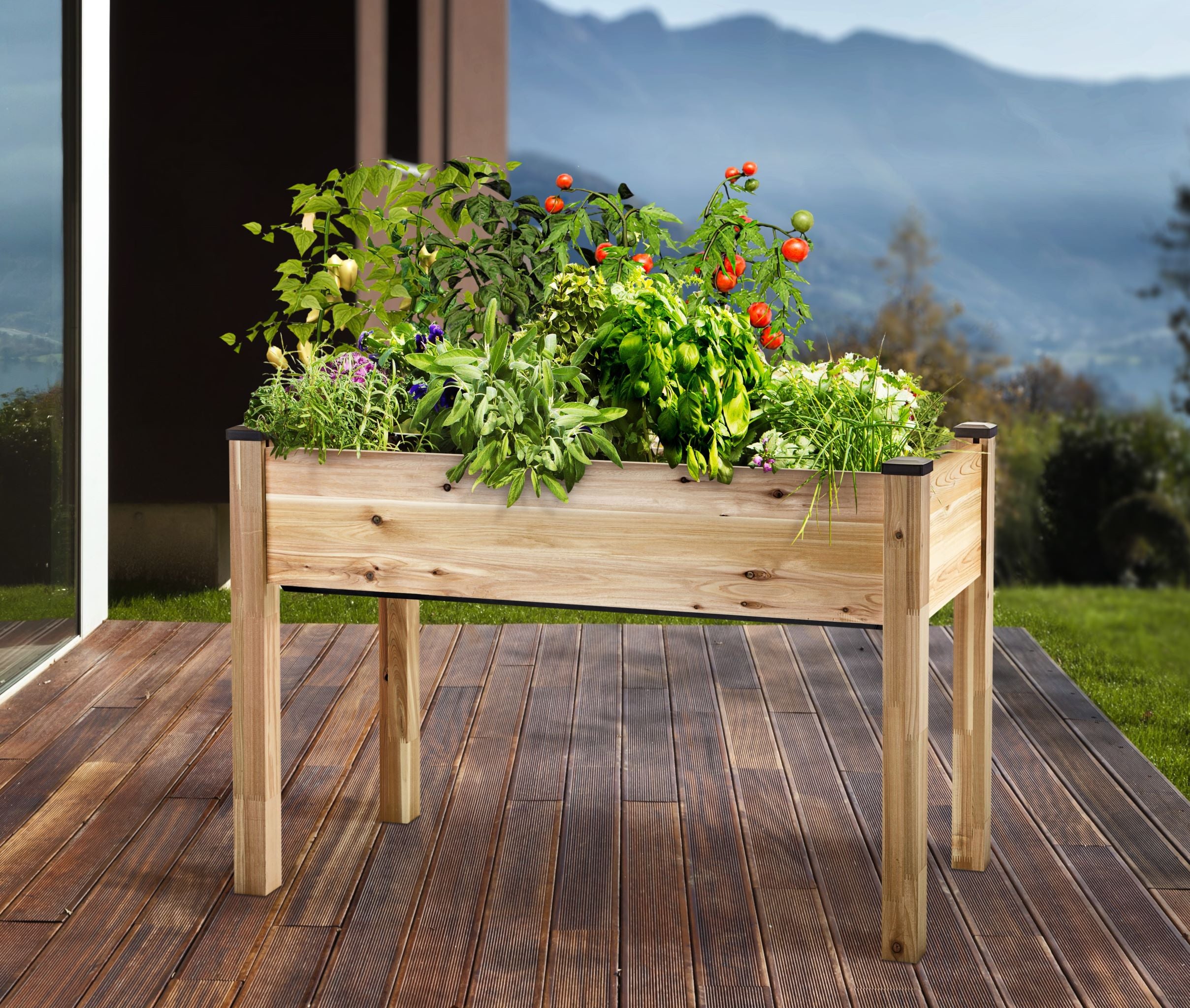
While our story began with finding ways to use rescued wood, today we proudly use sustainably sourced cedar to craft our signature pieces—including our self-watering elevated cedar planters and the beautifully designed Bali Pergola.
What hasn’t changed is our commitment to reducing waste, maximizing material use, and creating products that honor the forests they come from.

We choose Western Red Cedar for a lot of good reasons. It’s naturally rot-resistant, chemical-free, and weathers like a dream—making it ideal for outdoor planters, pergolas, and raised beds. No pressure-treated mystery materials here. Just real wood that’s built to last (and smells amazing)
But cedar isn’t just a pretty face. It’s part of a bigger promise. Our cedar is sourced from responsibly managed forests across North America, primarily in Canada and the northern U.S. Working with trusted partners like Gorman Bros.—a leader in FSC® and PEFC-certified practices—means our supply chain stays close to home and focused on forest health.
CedarCraft supports local jobs in Canada and the US, reduces transportation emissions, and keeps quality at the forefront. When you grow vegetables, flowers, or herbs in one of our self-watering elevated cedar planters, or lounge under a Bali Pergola, you’re not just investing in your outdoor space—you’re backing a whole system built on responsible forestry and thoughtful design.

Our Partnership with the National Forest Foundation - Here’s something we’re truly proud of: CedarCraft supports the National Forest Foundation’s reforestation efforts across the U.S. to helps restore ecosystems, fight climate change, and bring life back to damaged lands.
Further, we believe in third-party accountability. That’s why our materials are PEFC-certified—a globally respected sustainability standard.
PEFC Quick Guide
Look for the PEFC label—it’s more than a symbol, it’s a promise.
CedarCraft is proud to be an honored seller at Costco, and not just because they have great snacks.
Costco partners with brands that meet high standards for sustainability, quality, and integrity. We’re proud to be one of them. This partnership is about more than shelves and barcodes—it’s about shared values. Values that put people and the planet first.

When you shop with us online, you get the full CedarCraft experience—stories, sourcing, impact, and all. From our Bali 8x8 Cedar Pergola to our best-selling self-watering elevated planters, we make it easy to bring sustainability home.
Everyday Sustainability: Tips for a Greener Backyard
Sustainability doesn’t stop at checkout. Here are five simple ways to keep the mission going at home:
It’s not about perfection—it’s
about momentum.

From Mischelle: Beauty With Purpose
I have two teenage boys. I’d love to leave them a world that’s not so polluted they need an inhaler to play tennis—that’s assuming I don’t strangle them before they graduate. So yeah, sustainability matters to me. Not just as a feel-good buzzword, but as a way of pushing back—one planter, one pergola, one conscious choice at a time. If you’re here for beauty and purpose, you’re in the right place.

Growing the Right Plants Together Companion planting is the practice of growing certain plants near each other to support growth, improve flavor, or help reduce common garden challenges. While it’s not a strict formula, thoughtful pairings can encourage a more balanced and productive garden. Why Companion Planting Works Different plants offer different benefits. Some attract pollinators, others may help deter insects, and some simply grow well without competing for nutrients. When plants are thoughtfully arranged, your garden can feel fuller and more naturally supported. Easy Companion Plant Pairings If you’re just getting started, these simple combinations are easy to try: Tomatoes + BasilA classic pairing. Basil fits neatly around tomato plants and adds variety to the bed. Carrots + OnionsThese grow well side by side and make efficient use of space. Lettuce + RadishesRadishes grow quickly and can be harvested before lettuce fully matures. Cucumbers + NasturtiumsNasturtiums add color and can help draw attention away from vegetables. Mixing Heights and Growth Styles Companion planting also works visually. Combining upright plants with leafy greens or trailing varieties creates layers in your garden bed. This not only supports plant health but adds dimension and interest. Elevated planters make it especially easy to organize pairings and keep combinations contained. Keep It Simple Companion planting doesn’t require memorizing complex charts. Starting with just one or two pairings can help you observe what works well in your space. Pro Tip: Try adding herbs throughout your garden beds. Many blend easily with vegetables and support pollinator activity. Companion planting is about thoughtful combinations, not rigid rules. With a little experimentation, you can create a garden that feels balanced, productive, and naturally vibrant.
Apprendre encore plus
Starting seeds indoors is one of the most rewarding — and misunderstood — parts of gardening. In Part 4 of our Garden Planning Series, we walk through when to start seeds, how to use grow lights effectively, why seed-starting mix matters, and how to avoid common mistakes — all grounded in one memorable basil story.
Apprendre encore plus
This post is part 3 of our 7-part garden planning series, where we’re working step by step toward a garden that fits your life, your space, and the way you actually grow. For years, my garden has one clear priority: basil…A lot of basil. My kids go through a quart-sized container of pesto every single week — and they eat basil like salad. If I don’t grow it myself, I’m spending a small fortune trying to keep up.So basil always comes first. It has to. But eventually, I started wanting more. Tomatoes for summer dinners. Vegetables beyond herbs. And maybe — just maybe — a flowering plant or two that makes my patio feel beautiful instead of purely practical.That’s when everything we’ve talked about so far in this series starts to matter. Why Wanting “More” Is Where Planning Begins In the first post of this series, we talked about why planning matters before seeds go into the ground. This is where that idea becomes real. The challenge isn’t that I don’t know how to garden. It’s that I’ve never thought about my garden as a system.Because most of my yard space is taken up by trees, shrubs, and rock, I grow almost everything in raised, self-watering elevated planters. And honestly? I need the self-watering feature — I’m busy, and I forget to water.Once I stop fighting my limitations and start planning around them, gardening feels, more fun instead of stressful.This is exactly why we built the Garden Planner — not to make gardening more complicated, but to help you design with intention. Step 1: Start With What Actually MattersBefore thinking about layout, timing, or frost dates, I slow down and ask:What do I actually want from this garden?In the planner, this shows up as three simple sections:Non-negotiable plants (for me, basil always lives here)Plants I’d like to grow (tomatoes, vegetables, things I’m curious about)Plants that bring me joy (flowers I grow simply because I love seeing them)This step connects directly back to Blog 1 — because planning only works when it reflects real priorities. Naming these early keeps the rest of the season from feeling overwhelming or guilt-driven. Step 2: Match Plants to the Garden You Actually HaveOnce priorities are clear, the next step is understanding what each plant needs. This is where we move from ideas to reality.Using the planner’s research table, I take time to note: Sun needs Water needs Which garden area actually makes sense Instead of forcing plants into spaces because I want them there, I match them to where they’re most likely to thrive. This step builds on the mindset from Blog 1 — Garden Planning 101. When plants fit the space you have, gardening feels easier and far more rewarding. Step 3: Sketch First, Perfect Later Only after I understand my plants do I sketch my garden layout. Nothing fancy. No measuring tape. Just a rough drawing. The planner includes space for this because seeing everything on paper changes how you think. I name each section — partly because it’s fun, and partly because it helps me remember what’s planted where. Some of my favorites: Beefsteak Boulevard Petal Paradise L’Herbes Royale Salad Central The Basil Jungle This step ties together everything so far — priorities, plant needs, and available space. Step 4: Timing Brings the Whole Plan TogetherThis is where Blog 2 comes back into the picture. Using my average last frost date as a guide, I start filling in the timing section of the planner. If you haven’t read it yet, Frost Dates, Timing, and Why This Finally Made Gardening Make Sense (Blog Series 2 of 7) walks through how to find that date and what it actually means.In the planner, I write down: My average last spring frost date / My average first fall frost date. When seeds should be started indoors (counting backward) When plants can safely move outside How each plant is started (indoors, direct sow, or starter plant) For example, if a seed packet says “start indoors 8 weeks before last frost,” I count back from that date and pencil it in. Suddenly, seed starting feels manageable instead of confusing.This step doesn’t make gardening rigid. It makes it calmer. I still stay flexible. I still watch the weather. But now I have a plan I can adjust instead of starting from scratch every spring. And if a late frost does sneak in? We cover how to protect plants in When Frost Happens: A Real Gardener’s Guide to Surviving the Chill. Planning Doesn’t Take the Joy Out — It Makes Room for ItI used to think planning would make gardening feel restrictive. Instead, it gives me room to enjoy it.I still grow more basil than anything else — because that matters to my family. But now there’s space for tomatoes, vegetables, and flowers that make the garden feel complete.Planning doesn’t change what I love about gardening. It helps me grow more of it. Great gardening starts with a plan. Download our free garden planner to organize your ideas, plan your layout, and prepare for the growing season ahead. Coming Up Next in This Series Next, we’ll get into seed starting — what to start early, what can wait, and how to troubleshoot when things don’t go quite as planned. Because even with a plan, gardens still surprise us — and that’s part of the magic. Mischelle is a longtime home gardener who believes great gardens start with thoughtful planning, not guesswork. Through practical guidance and real-world experience, she helps backyard growers make informed decisions, avoid common pitfalls, and build gardens that work with their space, season, and lifestyle.
Apprendre encore plusVotre carte est actuellement vide.
Not sure where to start?
Try these collections: