
By now, your garden is planted. Seedlings have been transplanted. Roots are settling in. And things are finally starting to grow. And if you’re anything like me, this is the point where you walk outside, look around… and think: Okay… now what?
Because the work hasn’t stopped — it’s just changed.
This Is Where Gardening Gets Quieter

Earlier in the season, everything feels active — planning, planting, moving things around.
Now, the pace shifts.
This stage isn’t about doing more. It’s about paying attention to what’s already growing. Small, steady care makes the biggest difference here. This is where feeding, pruning, supporting growth, and preventing small problems come into play — not all at once, but a little at a time.
Watering: Pay Attention, Not Just “On Schedule”
Watering sounds simple — but it’s one of the easiest things to get wrong.
Instead of sticking to a strict schedule, start noticing what your plants actually need. Check the soil, not just the calendar. Pay attention to heat, wind, and rain — all of which can

change how quickly your soil dries out.
Rain, especially, can be a bit misleading. A light shower might not reach the roots, while a heavy rain can leave soil overly saturated — depending on how your garden is set up.
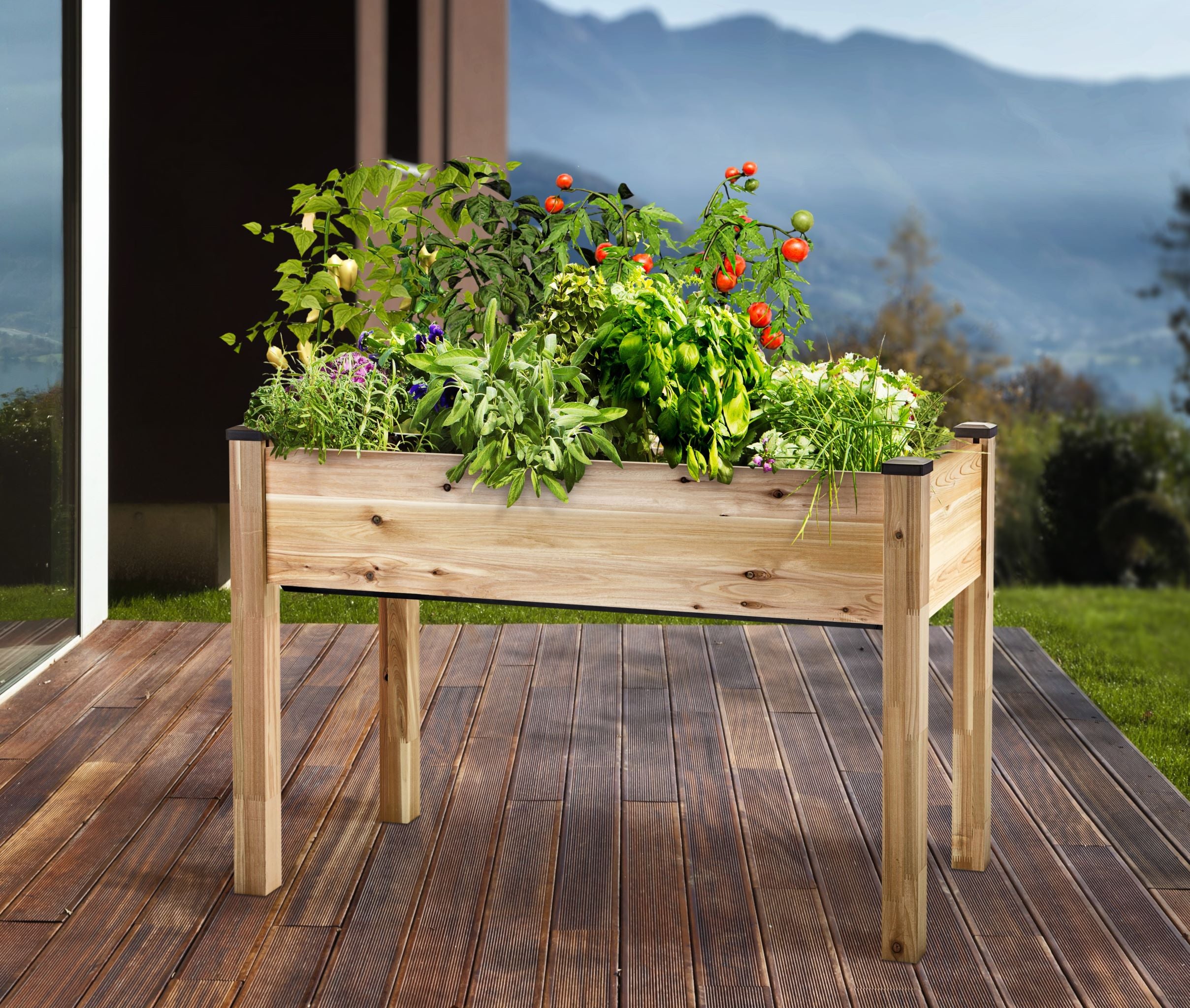
Most plants prefer deep, consistent watering, not frequent, light watering. This is one of the reasons I rely so much on self-watering elevated planters. They help take some of the guesswork out of watering by keeping moisture levels more consistent at the roots — which is exactly where it matters most.
With CedarCraft self-watering planters, rain becomes part of the system instead of a problem. Excess water drains into the reservoir rather than sitting in the soil, helping prevent overwatering while still giving plants access to moisture as they need it.
Everything feels more… steady. I’m not constantly wondering if I watered too much one day or forgot the next. The soil stays balanced, and the plants respond to that consistency.
If you’re watering by hand, early morning is best, and your goal is simple: moist soil, not soggy soil. Consistency matters more than perfection.
Pruning: Helping Plants Grow Better, Not Bigger
Pruning can feel intimidating, but it’s one of the simplest ways to improve plant health once you understand what each plant needs. And that’s the key — every plant is a little different.
A quick online or AI search can guide you on how a specific plant prefers to be pruned. Some thrive with regular trimming, while others need a lighter touch. Basil is one of the easiest examples. Pinching basil just above a set of leaves encourages the plant to branch out instead of growing tall and leggy. The more you pinch, the fuller the plant becomes — which means more leaves and a healthier plant overall.
I didn’t always do this.

There was a season I let my basil grow however it wanted. I assumed more leaves would mean more pesto. Instead, it grew tall, a little thin, and not nearly as productive as I expected. Once I started pruning it regularly, everything changed — fuller plants, stronger growth, and a lot more basil.
Other plants follow similar patterns:
- Tomatoes benefit from removing lower leaves for better airflow
- Peppers may need light pruning to direct energy
- Herbs often respond well to regular harvesting and trimming
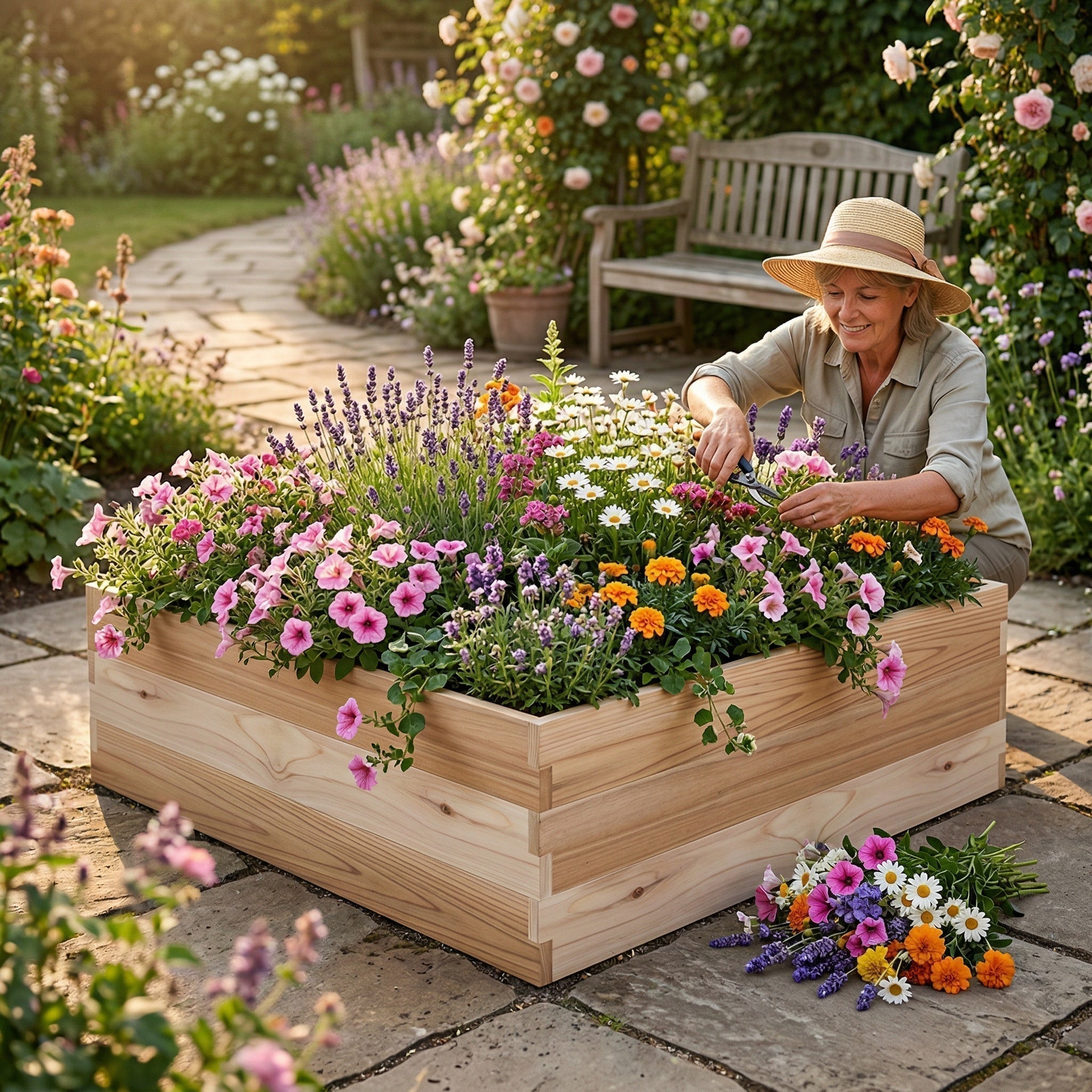
If something looks crowded or shaded, it’s usually okay to trim. You’re not taking away from the plant. You’re helping it grow more intentionally.
Supporting Growth Before It Becomes a Problem
Some plants grow faster than we expect. Tomatoes, peppers, and even some herbs benefit from early support — stakes, cages, or trellises that help guide their growth as they get taller.
It’s much easier to support a plant early than to fix it after it bends or breaks.

I learned this in a different way years ago when my kids were little — around two and three. We grew tomatoes, and they would run outside and pick them straight off the vine like fruit. I never even made it inside with a single tomato. To this day, they still eat tomatoes the same way.
Those plants needed support early — not just to keep them upright, but to keep everything accessible, growing well, and able to handle a little attention from small hands grabbing, pulling, and reaching in. When plants are supported properly, everything from growth to harvest becomes easier — even when little helpers are involved.
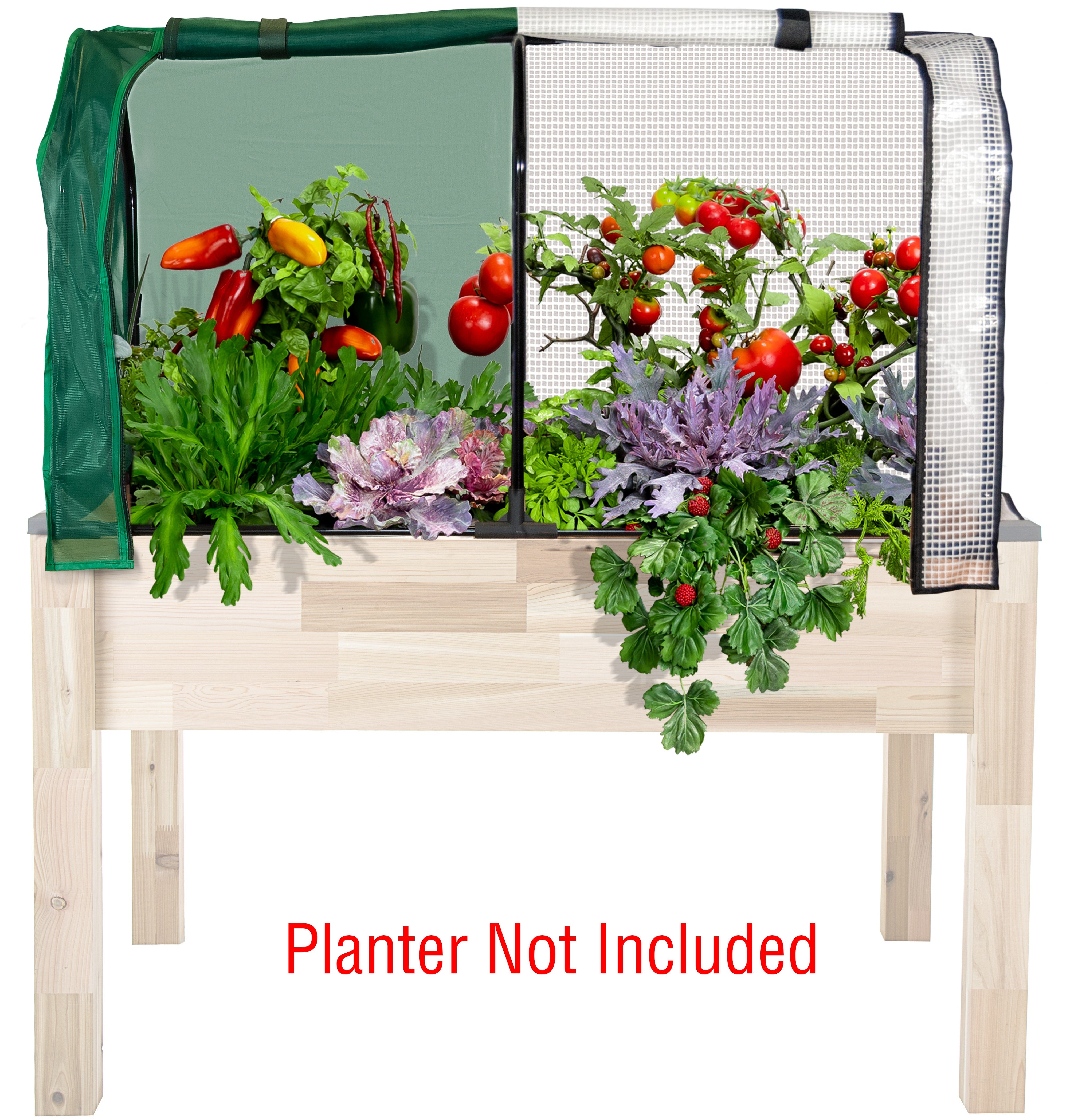
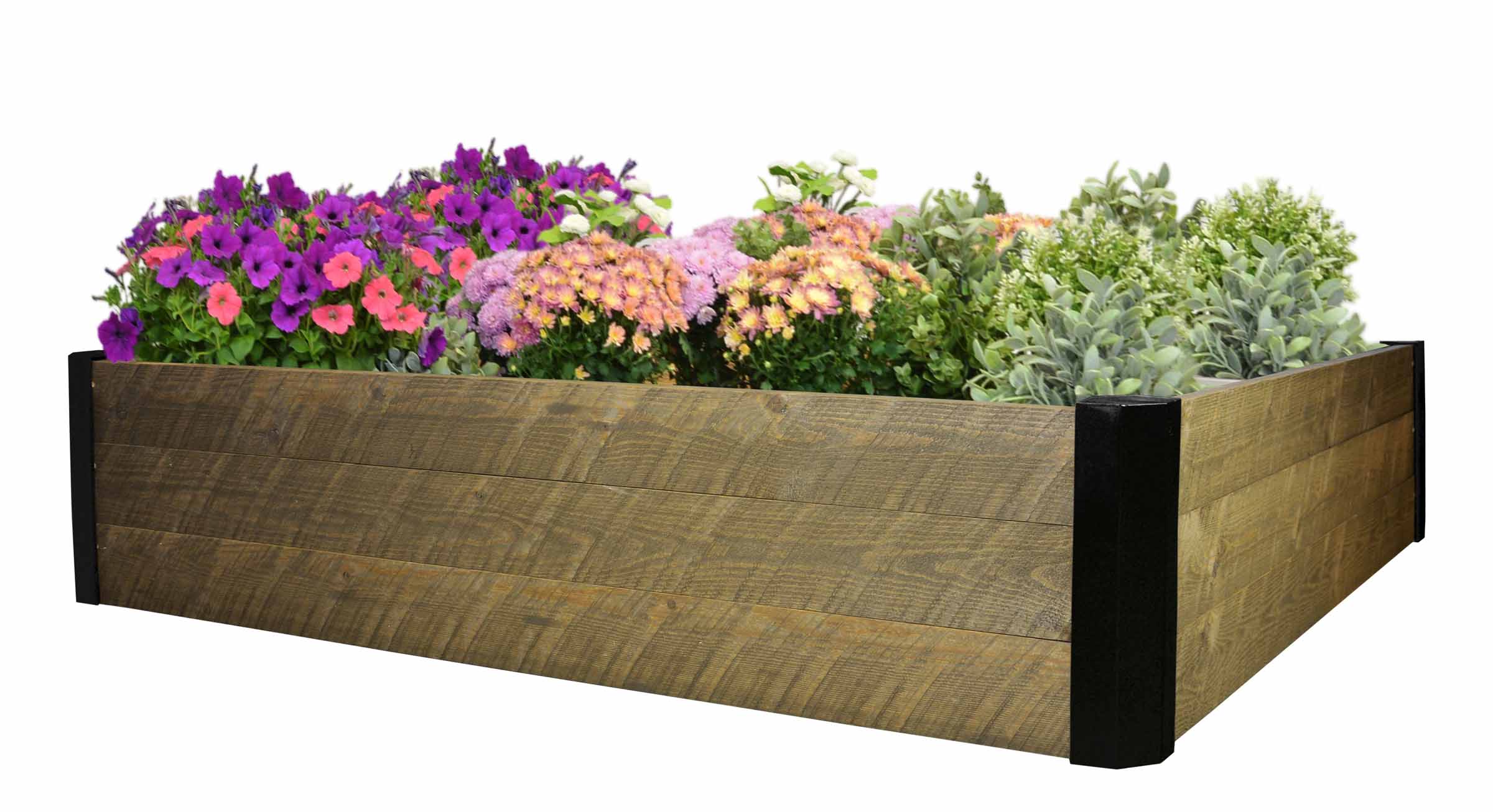
And just like watering, having the right setup from the beginning makes a difference. When your growing space is stable — whether that’s through structured planters or built-in support systems — plants are able to grow more naturally without constant correction.
Preventing Problems Before They Grow
At this stage, you’ll start noticing little things — a yellow leaf, a small hole, a plant that looks slightly off. Not every change is a problem. But patterns matter.
I’ve learned that small problems rarely stay small if you ignore them. A few yellow leaves or a bit of damage can spread if you’re not paying attention. Now I don’t panic — I just notice sooner and adjust when needed.

Here are a few of the most common issues — and simple ways to handle them:
-
Yellowing leaves (especially lower leaves):
Often a sign of overwatering or natural aging. Check soil moisture before watering again and remove older leaves if needed. -
Holes in leaves:
Usually insects. Inspect plants closely and remove affected leaves or gently rinse the plant to manage early damage. -
Wilting plants (despite watering):
Could be inconsistent watering or heat stress. Check moisture below the surface and adjust your watering approach. -
Crowded or damp leaves:
Limited airflow can lead to disease. Light pruning improves circulation and helps prevent larger issues.
The goal isn’t to catch everything perfectly. It’s to notice early and respond simply. A small adjustment now is almost always easier than fixing something later.
A Note on Feeding
Plants don’t need constant feeding — but they do benefit from support during active growth.
Simple is best:
- Healthy soil
- Light fertilizing
- Occasional nutrients
More isn’t better. Consistency matters more than quantity.
Where the Planner Still Helps
This is where your Garden Planner becomes less about planning… and more about noticing. Use it to jot down what’s growing well, what seems slow, when you prune or adjust, and anything that surprises you along the way. These small notes become incredibly helpful next season. Because next year, you won’t be starting from scratch — you’ll be building on what you’ve already learned.
Coming Up in Blog 7
In our final post for this series, we’ll talk about harvesting, reflecting, and preparing for next season — because a good garden doesn’t end when the season does. It carries forward.

Mischelle is the voice behind The Backyard Hopeful, sharing real-life lessons from her Texas garden — from seed starting to pesto-worthy basil harvests — so everyday gardeners can grow with a little more confidence.