
Aventures de jardinage


When Frost Happens: A Real Gardener’s Guide to Surviving the Chill
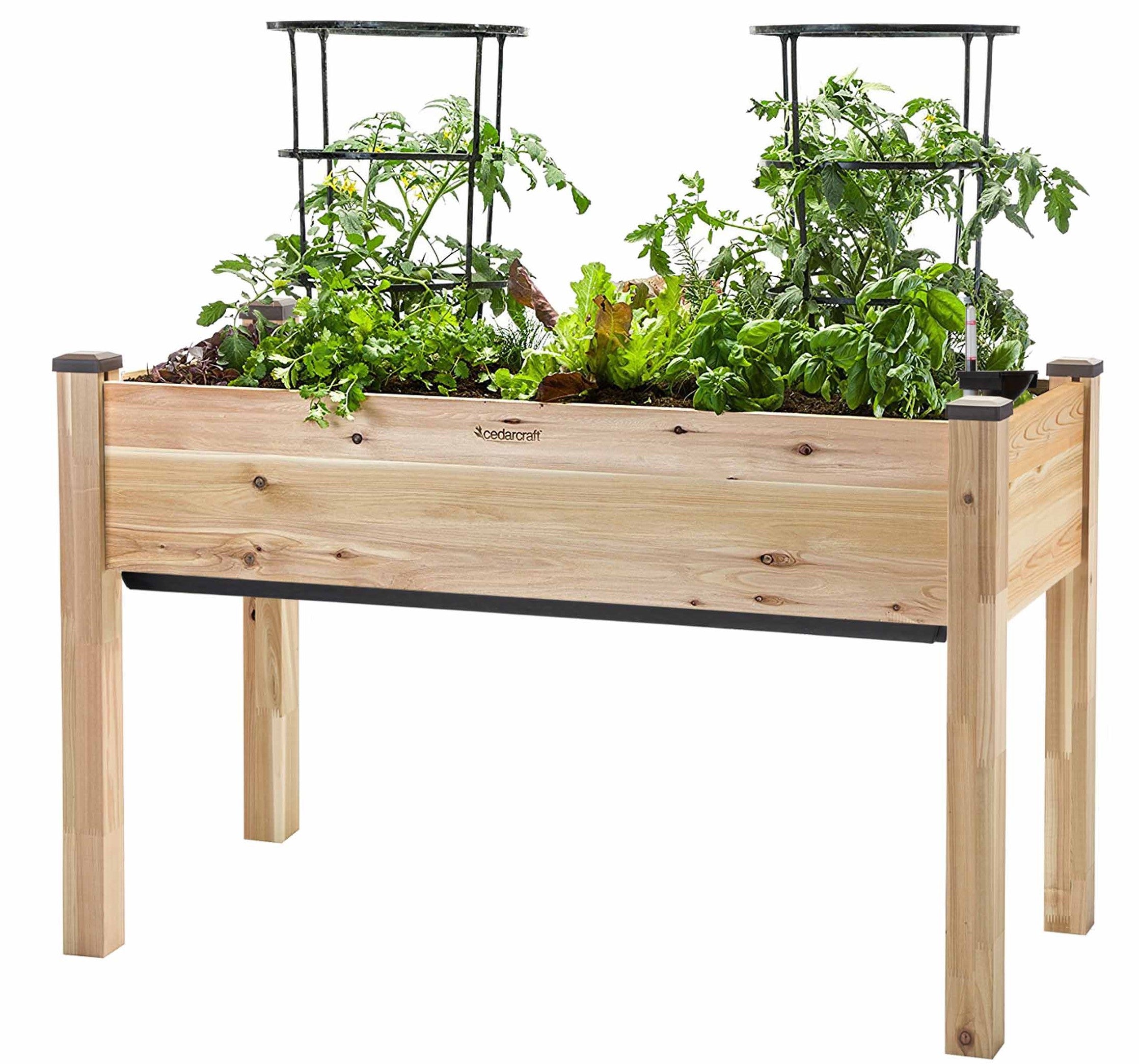
Back in college in Ohio, I once walked out to my car and found it literally frozen shut — like a block of ice on wheels. I gave it one good tug, decided it wasn’t worth the frostbite, and went straight back to bed. Ahhh, college days — when you could just go back to bed without the kids missing school or you missing a meeting.So yes, I’ve seen real cold. The kind where you wear your shoulders around your ears just to stay warm. (When I lived in Colorado, my boyfriend used to walk behind me and gently push my shoulders down — I think he was afraid they’d stay there.)These days, though, I’m in Texas — land of the “is-it-fall-or-is-it-July” weather. We’ll have an 82° afternoon, and two days later, I’m out there covering my planters, expecting a scene from Frozen. Every year, without fail, my poor basil waves the white flag as soon as the thermometer dips below 40°F. But this year, I’m trying something new — building a DIY cover to see if I can extend the growing season through the next cold snap that’s headed our way. Because yes, it’s supposed to hit 32°F, and I’m not ready to say goodbye to fresh herbs just yet.If you live somewhere that gets cold but doesn’t stay cold — or you’re up north bracing for the deep freeze — understanding the difference between frost, freeze, and chill can help you decide when to panic, when to prep, and when to just pour another cup of cocoa.Frost vs. Freeze vs. Chill — What’s the Difference?It all sounds the same until your plants start drooping. Here’s the quick breakdown: Frost happens when moisture in the air freezes onto surfaces like leaves, grass, or car doors (trust me). It usually occurs on clear, still nights when the temperature dips close to freezing but not for long. Freeze means the actual air temperature drops below 32°F long enough for the cold to penetrate soil and plant tissue. That’s when cells burst and you get that sad, wilted look by morning. Chill is what we get here in Texas — temperatures that yo-yo between summer and shiver. Plants don’t get a chance to adjust, so they often suffer more from the swings than the cold itself. If you’re in colder regions like Ohio, Idaho, or New York, you get the full winter residency package — sustained freezes, frozen soil, and snow that sticks around. Down south or along the coast, like in Southern California, you might only see a real frost once a year. Still, that one night can do more damage than a week of steady cold.What Happens to Plants When It Gets ColdWhen temperatures drop suddenly, plant cells freeze from the inside out. Ice crystals expand, cell walls rupture, and when the sun hits them the next day, they collapse into sad, soggy heaps.It reminds me of when we lived in New York and planned a vacation to the Florida Keys. The airline called to say a storm was coming — we could either leave in three hours or wait four days. With two little kids (one and two years old), I wasn’t about to stay snowed in. Picture me running around packing for four people in thirty minutes. We made it, the trip was amazing, but… we left a case of seltzer in the car.When we got back from our sunny escape, the car looked like a fizzy explosion had gone off inside. Every can had burst, spraying sticky seltzer across the seats, the windows, the ceiling — everywhere. It had warmed up just enough to turn the mess into a syrupy disaster.That’s basically what happens to plant cells after a hard freeze — everything expands, cracks, and leaks. Messy, sticky, and not pretty.Some plants handle this better than others: Perennials: usually shrug off short cold snaps if they’re mulched and happy. Tropical plants and tender herbs (like my basil): can’t handle temps below 40°F — they droop fast. Leafy greens (kale, spinach, arugula): can survive light frosts. Root veggies (carrots, beets, garlic): pretty tough — they actually get sweeter with frost.DIY Covers That Actually Work (and Some That Don’t)When the forecast hints at frost, covering your plants helps trap the earth’s warmth and keeps frost from forming directly on leaves. But there’s a right way to do it. Here’s my go-to quick setup for raised beds or large planters: Grab four wooden stakes — about 4 feet tall — and stick one in each corner of your planter. Drape a frost cloth, old sheet, or lightweight fabric over the top. Make sure it extends all the way to the soil line — you’re creating a tent. Secure the edges with clips, bricks, or clothespins so the wind doesn’t undo your good intentions. Optional bonus: run a strand of old-fashioned (non-LED) Christmas lights underneath for gentle warmth. It’s not only practical — it’s downright magical. I did it in this picture, and my plants survived :) Or just do it the easy way: grab a greenhouse cover — CedarCraft’s fits perfectly over planters and takes the guesswork out of sudden cold snaps. If you don’t have time for any of that, get creative: Laundry baskets over smaller plants work in a pinch. Cardboard boxes can cover delicate herbs overnight. But avoid plastic touching the leaves — it traps moisture and can do more harm than good. And remember: uncover your plants once temps rise again. You’re protecting them from frost, not holding them hostage. A sunny morning under fabric can turn into a sauna fast.When to Save It, When to Let GoHere’s the tough-love section: sometimes you just have to let nature take the lead.If your plant’s leaves have turned black and mushy or the roots smell off, it’s time to compost and move on.Don’t beat yourself up — every gardener has lost a favorite plant to an unexpected cold snap. (I’m looking at you, basil.) Instead, think of it as part of the rhythm. Some seasons are for growing; some are for resting, planning, and trying again — maybe with sturdier setups for next time. “Plants — like people — can only handle so much drama. Sometimes they need a reset.”Wrap-Up: Be Ready for the Weather WhiplashCold weather doesn’t have to mean garden heartbreak. Check overnight lows, keep a few old sheets or a roll of frost cloth handy, and don’t underestimate how fast that first frost can sneak in.Whether you’re tending raised cedar planters or a backyard bed, a little preparation goes a long way toward keeping your plants thriving through every “gets cold but doesn’t stay cold” moment.And if you’ve ever used a laundry basket, a cardboard box, or your kid’s old blanket to save a plant — I’d love to hear it. Drop your best frost-hack stories in the comments below. Author Bio: Mischelle Raftery is the Backyard Hopeful — a writer, former chef, and reformed plant neglecter who’s survived both Texas heat and Ohio ice. She writes about real-life gardening with a cup of cocoa in hand and dirt under her nails.
Apprendre encore plus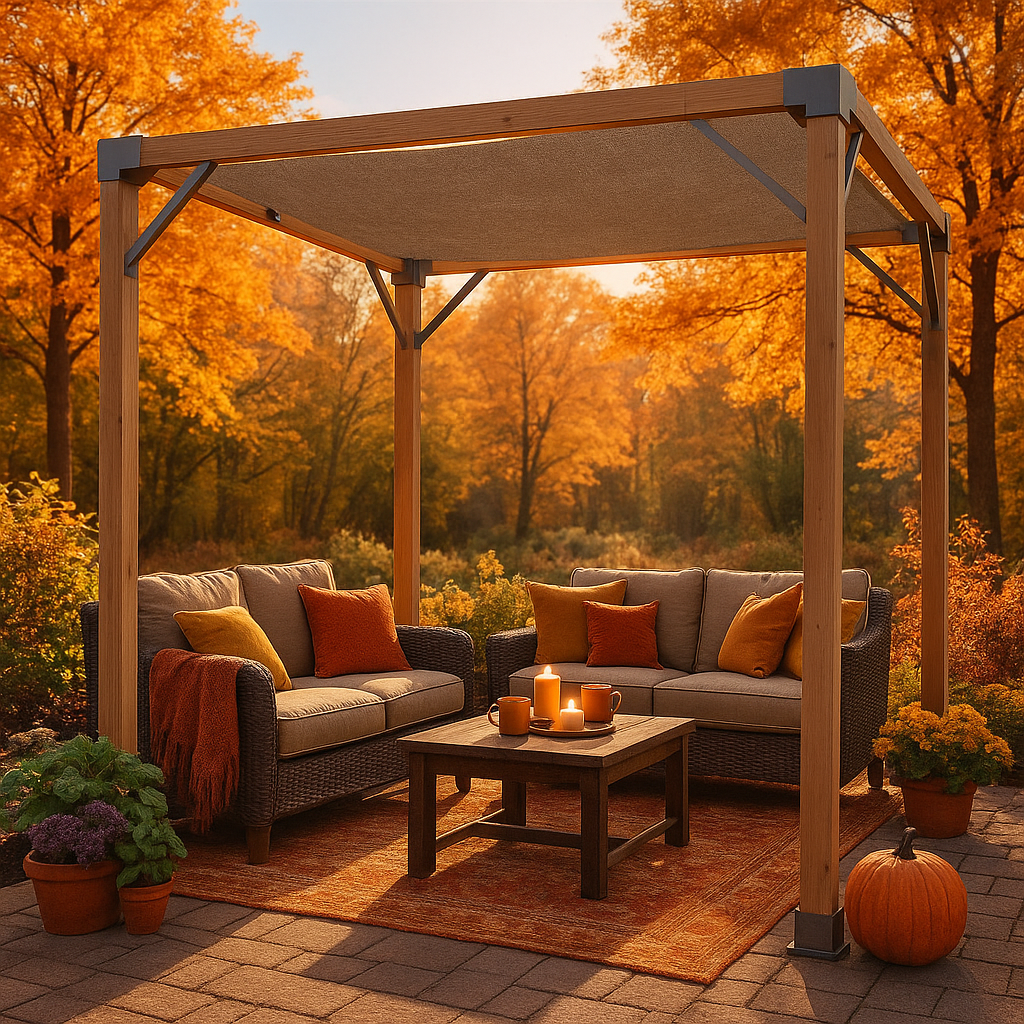
Thinking About a Pergola? Fall Is the Time
Thinking About a Pergola? Fall Is the TimeIf you’ve been dreaming of adding a pergola, fall is honestly the best season to do it. The days are cooler, the bugs are fewer, and outdoor time finally feels like a reward again.Right now, the CedarCraft Bali Pergola — our signature 8x8 cedar design — is on fall special for just $599. It’s the perfect way to refresh your backyard before winter, and once it’s up, you’ll wonder how you ever did outdoor season without it.If you already own a Bali, this is your moment to give it a glow-up. After months of triple digits and mirage heat rising off the patio, we’ve finally hit that magic stretch where evenings are crisp, the air smells like cedar, and you can actually enjoy sitting outside again. Step 1: Build Warmth You Can Feel Think of your pergola as a blank canvas for comfort. Start with layers that last through chilly mornings and evening breezes. Add weather-resistant throws, thick outdoor cushions, and a small rug to anchor your space. For longevity, look for UV-rated fabrics — the fall sun can still fade cheap textiles in weeks.A few well-chosen textures — soft knits, woven accents, and the natural warmth of cedar — can make your Bali Pergola feel more like an outdoor living and dining room than a simple patio cover. This is the kind of space where conversations stretch out, and dinner turns into dessert without anyone checking the time. Step 2: Make the Light Work for YouGood lighting transforms your pergola from functional to inviting. The secret is layering light at different levels to create warmth and depth.Run Edison-style LED string lights (like Brightech Ambience Pro) across the Bali Pergola’s crossbeams to highlight the wood grain. Add solar lanterns or clip-on sconces along the posts for soft side lighting, and use rechargeable LED candles or a small outdoor table lamp for close-up glow.Use clear zip ties or small cup hooks to attach the lights neatly — they stay secure without marking the cedar. The result is soft, layered illumination that makes your backyard feel like a destination, not just an afterthought. Step 3: Bring the Heat — Then Bring the Meal Cooler weather doesn’t mean retreating indoors. Fire up the grill, then bring your meal beneath the pergola’s canvas canopy to dine in comfort. Add a short propane heater or a small freestanding fire pit a few feet away for just enough warmth to extend your evenings.Set a simple table — cedar or neutral wood, a cloth napkin or two, and maybe a thermos of something warm or a bottle of Bordeaux. The Bali’s canvas top keeps stray leaves from landing on your dinner, while its cedar frame adds a subtle, woodsy scent that feels distinctly fall. Step 4: Keep the Color GoingYour summer herbs may be fading, but fall planters bring new personality. Combine ornamental kale, violas, and dwarf grasses in your CedarCraft Elevated Planters for color and texture that lasts. The natural cedar finish pairs beautifully with rich autumn tones and resists rot even in damp weather.Add a few pumpkins, pinecones, or dried branches around your pergola posts for a quick seasonal refresh. For more inspiration on plant pairings and container styles, explore this excellent 27 Plants for Gorgeous Fall Containers — it’s packed with ideas to keep your garden lively through the colder months. Step 5: Turn It into a HabitThe best pergola setups don’t just look beautiful — they draw you in. Make it part of your daily rhythm: morning coffee while the fog lifts, dinner outside before the time change, or a quiet evening with a blanket and a good playlist.Keep a basket of throws nearby, a few sturdy mugs ready to fill, and let your Bali Pergola become the reason you spend more time outdoors this season. With its cedar scent, canvas shade, and clean, open design, it’s the easiest way to make your backyard feel like home — even when the weather cools. Final Thought: Comfort Isn’t SeasonalWe wait all year for this. The air turns cooler, the light gets softer, and suddenly your backyard feels like the best room in the house.Whether you’re giving your pergola a fall upgrade or finally adding one to your space, the CedarCraft Bali Pergola turns any yard into a four-season retreat — a place to breathe, gather, and make the most of this perfect stretch of weather.So grab your blanket, set the table, and stay a while. After that summer? You’ve earned this. About Mischelle, the Backyard Hopeful Mischelle is a writer, former chef, and the proud survivor of many, many houseplant casualties. While most greenery in her care has met a leafy end, she’s found redemption in CedarCraft’s self-watering planters — where her herbs actually thrive. She loves warm weather, outdoor BBQs, and believes you don’t need to be an expert gardener to create something beautiful — just the right tools, a little sun, and a whole lot of hope.
Apprendre encore plus
Best Plant Apps for Gardeners: When Your Ghost Peppers Ghost You
My Pepper Plants Have Commitment Issues This season, my ghost peppers completely ghosted me—big leafy plants, but no fruit at all. My banana peppers were a little more generous, sending out plenty of flowers, but only a handful ever turned into actual peppers. Raised beds make gardening easier, but they don’t explain why your peppers play hard to get.That’s when I turned to plant apps. Whether it’s figuring out why my peppers won’t perform or identifying that mystery sprout in the corner of the bed, these apps act like a pocket garden coach—ready whenever I need a second opinion. Top Plant Apps Worth Downloading App Name Rating Free or Paid Approx. Cost Standout Feature PictureThis 4.8/5 Freemium → Paid ~$30/year Identifies plants instantly, flags pests/disease, and gives tailored care tips PlantNet 4.4/5 Free Free Community-powered ID, perfect for flowers and veggies iNaturalist 4.0/5 Free Free Connects your finds to global citizen science projects PlantSnap 4.6/5 Freemium → Paid In-app purchases Large database, great for ornamentals and edibles alike Planta 4.7/5 Freemium → Paid ~$35/year Creates customized care schedules based on your climate and sunlight For a deeper dive into how these apps compare head-to-head, GrowIt BuildIt ran extensive tests and shared their full results. Why These Apps Are Great for Pepper Problems PictureThis: Snaps a photo of your plant and helps diagnose common issues (like poor pollination or nutrient needs). PlantNet: Great for quick ID when you’re not sure if that’s a volunteer pepper sprout—or an ambitious weed. iNaturalist: Not just peppers—connects you with a community of gardeners and scientists who love troubleshooting. PlantSnap: Broad coverage across veggies and ornamentals—useful if you’ve got more than peppers in your beds. Planta: Tailors watering and fertilizing reminders to your local conditions, which is especially helpful for peppers that are sensitive to heat and timing. Extra Tips for Choosing the Right App Check for troubleshooting featuresSome apps go beyond plant ID and actually suggest care solutions. PictureThis will flag pests, nutrient deficiencies, and stress symptoms—helpful when peppers look fine but aren’t producing fruit.Ease of photo uploads mattersPeppers can look very similar at different stages. Apps with strong AI, like PictureThis and PlantSnap, quickly analyze photos and reduce misidentifications.Look for regional accuracySome apps adjust advice to your climate zone. Planta is especially strong here, creating care schedules based on your local weather, daylight, and humidity—great for peppers that demand consistent warmth and pollination.Try before you buyMany apps start free with limited features. Test them before committing to an annual subscription—especially if you just want ID versus detailed coaching.Use app journalsTracking bloom time, fruit set, and soil conditions makes patterns easier to spot. Both Planta and PictureThis include journaling features, which is perfect for comparing this season’s pepper success (or struggle) and prepping for a fall garden—more on that in an upcoming post. Pairing Apps with CedarCraft Raised Beds Raised and elevated beds already give peppers a head start with warmer soil, better drainage, and easy access for care. Add in an app that reminds you when to water, fertilize, or troubleshoot—and you’ve got a recipe for a stronger harvest, without the guesswork. Wrap-Up Ghost peppers that ghost you, banana peppers that flirt with flowers but won’t commit—every gardener has been there. Plant apps can’t guarantee fruit, but they can help you figure out why things aren’t going as planned and what to try next. Combined with raised-bed planters that give your crops the best growing environment, they’re the kind of backup every gardener needs. Mischelle, the Backyard Hopeful Mischelle is a writer, former chef, and the proud survivor of many, many houseplant casualties. While most greenery in her care has met a leafy end, she’s found her redemption in CedarCraft’s self-watering planters—where her herbs actually thrive. Basil is her crown jewel; her kids eat it like lettuce, and she turns it into a killer artichoke hummus pesto. She loves warm weather, outdoor BBQs, and believes you don’t need to be an expert gardener to create something beautiful—just the right tools, a little sun, and a whole lot of hope
Apprendre encore plus
Mettre votre jardin CedarCraft au lit
Le premier gel approche à grands pas, voire déjà là, pour de nombreux jardiniers des climats plus froids. La saison des récoltes est terminée et l’hiver glisse ses doigts froids et glacés dans les plates-bandes. Il est temps de nettoyer et de préparer le printemps prochain en mettant votre jardin CedarCraft au lit. Faire un effort de nettoyage supplémentaire à la fin de l’automne vous aidera à démarrer votre saison de jardinage printanière du bon pied. Vos jardinières seront propres et remplies de terre saine et chaude plus tôt que les jardiniers n'attendent que le sol dégèle, ce qui signifie que vous avez une longueur d'avance sur tout le monde en matière de jardinage ! Voici les étapes simples que vous devez suivre pour mettre vos jardins au lit : Sortez le vieux À cette époque de la saison, de nombreuses vignes et tiges sont fanées alors qu'elles ont terminé leur production. Les fleurs sont montées en graines et les feuilles sont tombées. Arrachez les plants de tomates, de courges, de pois et de haricots et laissez vos plantations d'automne de légumes froids comme le chou frisé et la laitue récolter tout au long de la saison restante. Assurez-vous de vérifier si vos fruits, fleurs et herbes sont des plantes vivaces ou annuelles. Les annuelles seront éliminées des jardinières, mais vos plantes vivaces, comme les fraises, peuvent rester à l'intérieur avec un peu de taille et un peu de paillis pour les garder au chaud. Vous pouvez également protéger les plantes vivaces tendres avec une couverture en rangées ou une couverture végétale. Lors du nettoyage, une bonne règle de base est que si une plante est jaune ou brune, coupez-la, si elle est verte, laissez-la tranquille. Retournez le sol Une fois que vous avez nettoyé les plantes anciennes et mortes, labourez le sol pour y apporter un peu d'oxygène, brisez les touffes de racines restantes et encouragez les insectes et les ravageurs à trouver de nouveaux abris pour l'hiver. Ajoutez une couche de compost au mélange et complétez-la avec du paillis ou des feuilles d'automne qui se décomposeront pendant la saison hivernale et ajouteront plus de nutriments à votre lit de jardinière. Planter des bulbes de printemps C’est le moment idéal pour planter vos bulbes de printemps en terre. Ils pousseront même bien dans une jardinière ! Étalez vos tulipes, crocus et autres bulbes de printemps dans votre jardinière. Assurez-vous d'ajouter une variété de fleurs au début, au milieu et à la fin du printemps pour une variété continue tout au long de la saison de floraison, juste avant le début de la saison de plantation des légumes. Assurez-vous de planter les bulbes avec la pointe pointue vers le haut, de les enfoncer de quelques centimètres dans le sol et de les recouvrir de paillis pour les protéger des fissures du sol en hiver. Maintenant, détendez-vous et profitez de votre pause jardinage pendant l’hiver !
Apprendre encore plus
Leçons tirées du jardinage en jardinière cette saison
Le jardinage est un mélange de science et d'art. Il est possible que vous puissiez créer avec soin l'espace de jardin parfait avec des nutriments optimaux pour le sol, un ensoleillement idéal et un système d'arrosage au bon moment et que rien ne se passe comme prévu. Même les meilleurs jardiniers rencontrent des difficultés pendant la saison de croissance, et parfois ils connaissent des échecs complets dans leur jardin. Le jardinage est un processus d'apprentissage pour tous, pas seulement un produit, qui fait partie de son attrait. Il est également réconfortant pour les jardiniers débutants de savoir que même les jardiniers les plus expérimentés ont encore des obstacles à surmonter. De nombreux professionnels vivent selon la philosophie suivante : « Si vous ne tuez pas de plantes, vous ne vous efforcez pas en tant que jardinier. » Notre équipe CedarCraft teste sur le terrain chacune de nos jardinières pendant la saison de jardinage, cultivant ainsi une variété de fruits, légumes, herbes et fleurs. Vous pouvez voir comment nos propres jardins se développent sur Instagram alors que nous partageons des mises à jour de photos tout au long de l'année. Rassurez-vous, même si notre jardin est magnifique, nous sommes également confrontés à nos propres défis. Nous serions ravis de partager quelques leçons que notre équipe du Colorado a tirées de la saison de jardinage 2015. Météo C’est l’un des plus grands obstacles pour tous les jardiniers du monde entier, et ce depuis la nuit des temps. Inondations, sécheresses, coups de froid, vents violents et grêle sont autant d’éléments qui peuvent faire des ravages dans votre jardin. Notre équipe du Colorado a connu un mois de mai exceptionnellement humide et froid, juste au début de la saison de plantation. C'était un peu trop dur à supporter pour les concombres et nous les avons tous perdus. Leçon apprise : La patience est une vertu, surtout en jardinage. Il est préférable d'attendre un peu plus longtemps que de sauter le pas lors de la plantation de vos démarreurs pour vous assurer qu'ils ont de bonnes chances de s'enraciner. Sol Nous avons passé beaucoup de temps à trouver le bon mélange de terre pour tous les planteurs cette année. Ce que nous avons découvert, c'est qu'avec ce mélange particulier, nos tomates ont prospéré et prospéré dans les jardinières moulues, mais nos épinards et nos feuilles de laitue avaient besoin d'un peu plus d'aide avec le même mélange dans le pot Urban. Nous avons dû changer de terre dans cette jardinière, et une fois que nous l'avons fait, les épinards ont poussé comme des sauvages ! Leçon apprise : les jardinières au sol avec des plantes robustes se portent bien avec le mélange de terre dont nous avons parlé plus tôt cette année. Les jardinières surélevées feront mieux avec un mélange de terreau plus doux. Eau Nous avons plutôt bien réussi à suivre nos cycles d’arrosage cette année ! Rien n’a séché ou flétri… jusqu’à ce que nous partions en vacances. L'été est le moment idéal pour profiter des vacances avec des enfants non scolarisés et des aventures par temps chaud à vos pieds. Notre équipe du Colorado est partie en voyage de randonnée pendant quelques jours en pensant que le jardin irait bien. Même si le temps était frais dans les hauts pays, il faisait beaucoup plus chaud dans les plaines. Nous sommes revenus et avons trouvé certaines plantes plus sèches qu'elles n'auraient dû l'être, ce qui a amené quelques-unes à s'envoler plus tôt. Leçon apprise : installez des systèmes d'arrosage si vous le pouvez et, à tout le moins, demandez à un voisin ou à un ami de venir arroser votre jardin pendant vos vacances. Nous avons de nouveaux développements passionnants avec notre gamme de produits en 2016 qui vous aideront dans ce domaine ! Recherchez une annonce en janvier. Ravageurs C’est peut-être avant tout le plus grand défi pour nous cette année. Les lapins ont escaladé les grillages pour faire une sieste dans la coriandre, les oiseaux se sont nourris de fraises, les écureuils ont volé les poivrons et les insectes ont mangé du chou frisé et du chou-fleur. C'était une guerre dans les jardins malgré tous nos efforts avec toutes les méthodes de lutte antiparasitaire. Leçon apprise : nous apprenons encore. Nous verrons ce que nous pouvons faire pour atténuer la ressemblance de « M. » Le jardin McGregor »en 2016. Expériences inattendues Nous avions un pot que nous appelions affectueusement le « jardin inadapté » où nous avons planté des démarreurs supplémentaires et des plantes compagnes que vous n'êtes pas censé placer les unes à côté des autres. Nous n'avions pas de grands espoirs pour cette partie du jardin, mais nous avons quand même décidé de prendre le risque pour voir ce qui allait se passer. Il y a eu quelques échecs, c'est sûr, comme les plants de chou-fleur supplémentaires qui ne produisaient rien du tout, mais nous avons trouvé des succès inattendus, comme des pommes de terre et des citrouilles qui prospèrent !! Leçon apprise : il n'y a rien de mal à prendre des risques ! N'ayez pas peur d'échouer, car vous pourriez connaître des succès inattendus. Et parfois, ce sont les meilleurs ! Malgré nos propres défis cette année, nous en sommes sortis avec des connaissances de première main à appliquer lors de la saison de croissance 2016, et nous avons eu de délicieuses récoltes en cours de route. Nous attendons certainement avec impatience les aventures de jardinage que l’année prochaine nous réserve !
Apprendre encore plus