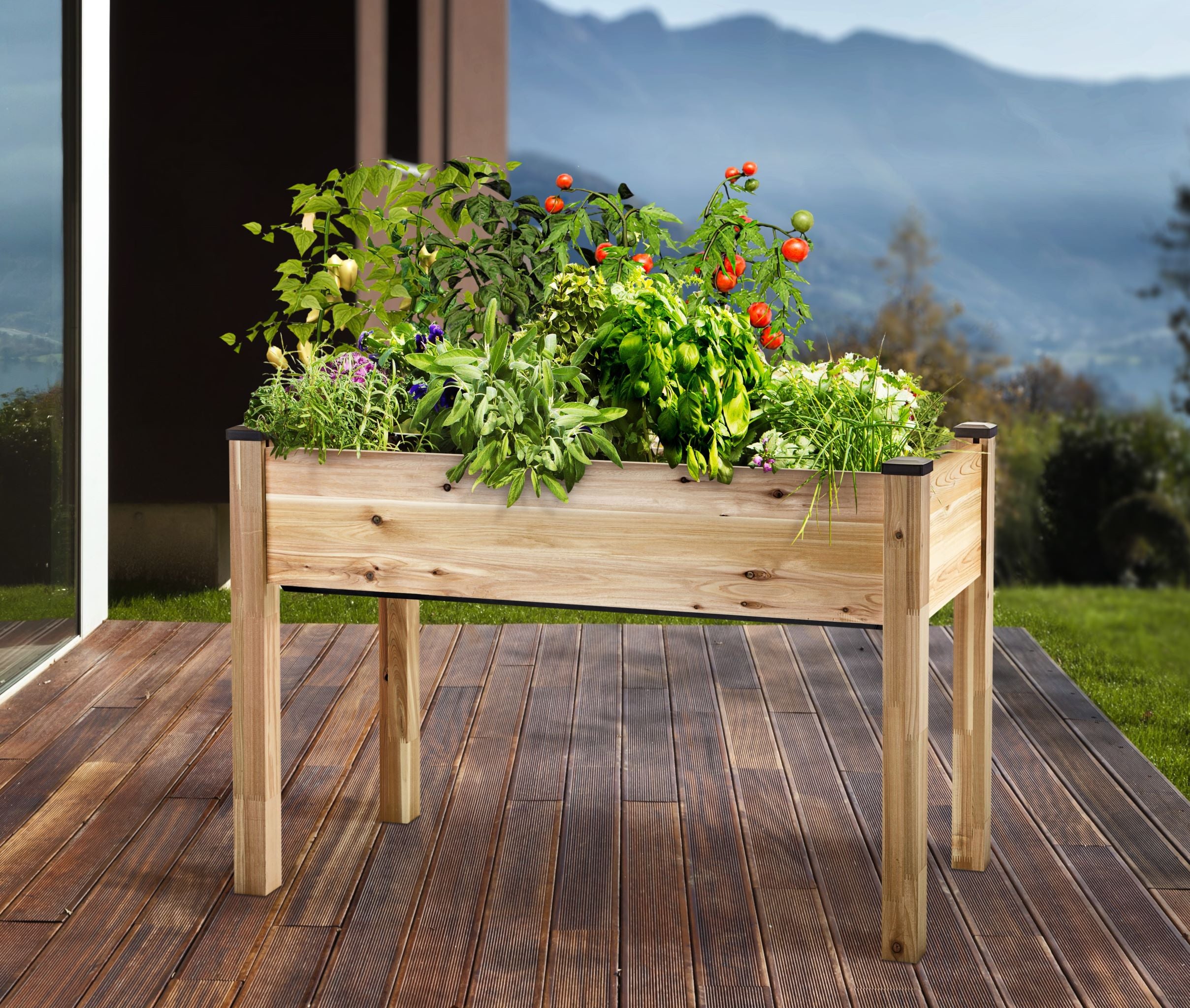

Hey guys, this is Mischelle, your backyard hopeful. I’m going into this growing season feeling a lot better about my elevated gardens, and part of that is keeping the setup simple. I recorded a video to help you get your self-watering planter (or any planter for that matter) ready. It’s so easy and makes gardening a pleasure. Click the picture to watch the video. 
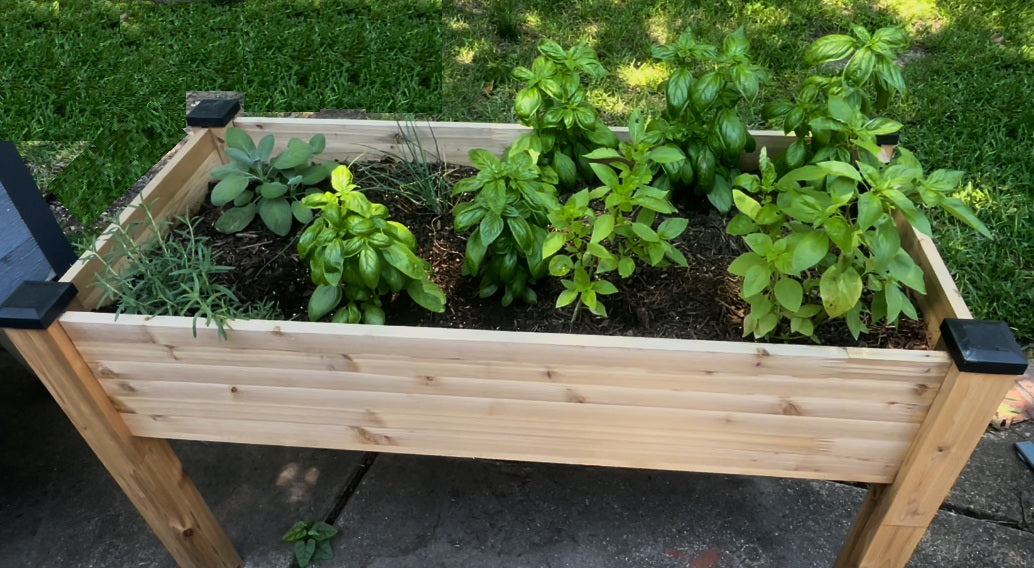
How to Prepare Your CedarCraft Elevated Planter for Planting
Related Posts

How Redoing Our Backyard Brought Our Family Together
For most of the 48 years we’ve lived here, half of our backyard wasn’t really ours. We used the space like it was ours, but technically it was theirs. And because of that, we never really did much with it. There was always this feeling in the background that one day, half of what felt like our backyard could disappear. It’s hard to get too attached to a space when you’re never quite sure how long you’ll have it. Then our neighbor finally sold their house. Developers came in, redid the property, and put up a fence right on the actual property line. Just like that, everything changed. The guessing was over. The line was clear. For the first time, the yard was really ours. That is what kicked all of this off. At first, it was just the fence. But once the fence went up, it felt like something shifted. We started looking at the yard differently. Not like this vague in-between space we had never fully claimed, but like something we could finally care about. Something we could shape. Something we could make nicer, more useful, and honestly, more us. And that is when one project turned into about ten. Everyone helped put up our cedar fence, and from there the whole thing sort of snowballed. The fence made us start thinking about the yard. The yard made us think about how we wanted to use the space. Then came the cement deck, the plants, the rocks, the mulch, the borders, the elevated planters, and what feels like at least a hundred trips to the local DIY store. It was a lot. It was messy. It was dusty. It was not always efficient. But it was ours. What I did not expect was how much it would bring our family together. My husband’s older son moved in with us, and he and his dad had been separated for years with pretty limited interaction. Life had created a lot of distance there. But somewhere in the middle of this backyard project, they found themselves working side by side. Planning and laying a cement deck. Moving things. Figuring things out. Planting, spreading rocks, making decisions, solving problems. Just being in it together. And sometimes that is how closeness starts coming back. Not always through some big emotional conversation. Sometimes families come back together not around a table, but around a yard. Around a garden. Around the kind of work that gives everybody something to do with their hands while the relationship quietly starts mending a little in the background. That is what this season has felt like for us. The kids got involved too, which made it even better. What could have just been another house project slowly turned into something shared. Everybody had a part in it. Everybody had opinions. Everybody helped. And even though there were still the usual project moments, changing plans, extra store runs, little frustrations, there was also something really good happening underneath all of it. My piece of it was the side yard. I worked with my boys to plan the process, take measurements, set up borders, and lay mulch. We talked through ideas, figured things out as we went, and made more trips to the DIY store than I even want to count. My son even helped choose the plants for the elevated planters, which made me smile. It was one of those small moments that probably would not seem like a big deal to anybody else, but to me it was. It felt like one more little thread being woven into this whole thing. That is probably what I keep coming back to. Yes, we are redoing the backyard. Yes, we are making it prettier and more functional. Yes, we are adding garden spaces and trying to make it feel more intentional than it ever has before. But underneath all of that, we are also making a place for our family to happen. A yard can just be a yard. A garden can just be another thing to take care of. But when people work on it together, it starts becoming more than that. It becomes a place where conversations happen more easily. It gives teenagers a reason to show up and help. It gives parents and kids something to build side by side. It gives people who have been distant a way to get a little closer without having to force all the words first. That has been the unexpected gift of all of this. We started because the yard was finally ours, and for the first time, it felt worth investing in. But what has made it meaningful is not just how it looks. It is what has happened while we have been building it. The fence. The deck. The rocks. The mulch. The planters. The plants. The measuring. The mistakes. The store runs. All of it has turned this into more than a backyard project. It has turned it into shared ground. The backyard is still a work in progress. There is still more to do, more to plant, more to shape, and definitely more store runs in our future. But it already feels different now. Not just because it looks different, but because of what has happened here. We thought we were fixing up the yard. What we were really doing was growing into it together. Mischelle is a writer, backyard hopeful, and everyday gardener who loves creating outdoor spaces that feel warm, useful, and inviting. She writes about gardening, family, and the simple ways a backyard can become a place to grow, gather, and slow down.
Learn more
Companion Plants That Actually Make Sense for Everyday Gardener
Companion planting does not have to be complicated to be useful. In this post, we take a practical look at companion plants that actually make sense for everyday gardeners — especially those growing in planters and raised beds. Instead of relying on confusing charts, this article focuses on herbs and flowers that may help deter pests, attract pollinators, and support a healthier garden overall. From marigolds and chives to nasturtiums and dill, it explains not just what to plant, but why these pairings work. With a personal story, real-life examples, and a realistic approach to protecting plants like basil, this post makes companion planting feel approachable, helpful, and worth trying.
Learn more
What Keeps a Garden Growing: Simple Care That Makes a Big Difference (Part 6 of 7)
By now, your garden is planted. Seedlings have been transplanted. Roots are settling in. And things are finally starting to grow. And if you’re anything like me, this is the point where you walk outside, look around… and think: Okay… now what? Because the work hasn’t stopped — it’s just changed.This Is Where Gardening Gets Quieter Earlier in the season, everything feels active — planning, planting, moving things around.Now, the pace shifts.This stage isn’t about doing more. It’s about paying attention to what’s already growing. Small, steady care makes the biggest difference here. This is where feeding, pruning, supporting growth, and preventing small problems come into play — not all at once, but a little at a time. Watering: Pay Attention, Not Just “On Schedule”Watering sounds simple — but it’s one of the easiest things to get wrong.Instead of sticking to a strict schedule, start noticing what your plants actually need. Check the soil, not just the calendar. Pay attention to heat, wind, and rain — all of which can change how quickly your soil dries out.Rain, especially, can be a bit misleading. A light shower might not reach the roots, while a heavy rain can leave soil overly saturated — depending on how your garden is set up. Most plants prefer deep, consistent watering, not frequent, light watering. This is one of the reasons I rely so much on self-watering elevated planters. They help take some of the guesswork out of watering by keeping moisture levels more consistent at the roots — which is exactly where it matters most.With CedarCraft self-watering planters, rain becomes part of the system instead of a problem. Excess water drains into the reservoir rather than sitting in the soil, helping prevent overwatering while still giving plants access to moisture as they need it.Everything feels more… steady. I’m not constantly wondering if I watered too much one day or forgot the next. The soil stays balanced, and the plants respond to that consistency. If you’re watering by hand, early morning is best, and your goal is simple: moist soil, not soggy soil. Consistency matters more than perfection.Pruning: Helping Plants Grow Better, Not Bigger Pruning can feel intimidating, but it’s one of the simplest ways to improve plant health once you understand what each plant needs. And that’s the key — every plant is a little different.A quick online or AI search can guide you on how a specific plant prefers to be pruned. Some thrive with regular trimming, while others need a lighter touch. Basil is one of the easiest examples. Pinching basil just above a set of leaves encourages the plant to branch out instead of growing tall and leggy. The more you pinch, the fuller the plant becomes — which means more leaves and a healthier plant overall. I didn’t always do this. There was a season I let my basil grow however it wanted. I assumed more leaves would mean more pesto. Instead, it grew tall, a little thin, and not nearly as productive as I expected. Once I started pruning it regularly, everything changed — fuller plants, stronger growth, and a lot more basil.Other plants follow similar patterns: Tomatoes benefit from removing lower leaves for better airflow Peppers may need light pruning to direct energy Herbs often respond well to regular harvesting and trimming If something looks crowded or shaded, it’s usually okay to trim. You’re not taking away from the plant. You’re helping it grow more intentionally. Supporting Growth Before It Becomes a ProblemSome plants grow faster than we expect. Tomatoes, peppers, and even some herbs benefit from early support — stakes, cages, or trellises that help guide their growth as they get taller.It’s much easier to support a plant early than to fix it after it bends or breaks. I learned this in a different way years ago when my kids were little — around two and three. We grew tomatoes, and they would run outside and pick them straight off the vine like fruit. I never even made it inside with a single tomato. To this day, they still eat tomatoes the same way. Those plants needed support early — not just to keep them upright, but to keep everything accessible, growing well, and able to handle a little attention from small hands grabbing, pulling, and reaching in. When plants are supported properly, everything from growth to harvest becomes easier — even when little helpers are involved.And just like watering, having the right setup from the beginning makes a difference. When your growing space is stable — whether that’s through structured planters or built-in support systems — plants are able to grow more naturally without constant correction.Preventing Problems Before They GrowAt this stage, you’ll start noticing little things — a yellow leaf, a small hole, a plant that looks slightly off. Not every change is a problem. But patterns matter.I’ve learned that small problems rarely stay small if you ignore them. A few yellow leaves or a bit of damage can spread if you’re not paying attention. Now I don’t panic — I just notice sooner and adjust when needed. Here are a few of the most common issues — and simple ways to handle them: Yellowing leaves (especially lower leaves):Often a sign of overwatering or natural aging. Check soil moisture before watering again and remove older leaves if needed. Holes in leaves:Usually insects. Inspect plants closely and remove affected leaves or gently rinse the plant to manage early damage. Wilting plants (despite watering):Could be inconsistent watering or heat stress. Check moisture below the surface and adjust your watering approach. Crowded or damp leaves:Limited airflow can lead to disease. Light pruning improves circulation and helps prevent larger issues. The goal isn’t to catch everything perfectly. It’s to notice early and respond simply. A small adjustment now is almost always easier than fixing something later.A Note on Feeding Plants don’t need constant feeding — but they do benefit from support during active growth. Simple is best: Healthy soil Light fertilizing Occasional nutrients More isn’t better. Consistency matters more than quantity.Where the Planner Still HelpsThis is where your Garden Planner becomes less about planning… and more about noticing. Use it to jot down what’s growing well, what seems slow, when you prune or adjust, and anything that surprises you along the way. These small notes become incredibly helpful next season. Because next year, you won’t be starting from scratch — you’ll be building on what you’ve already learned. Coming Up in Blog 7In our final post for this series, we’ll talk about harvesting, reflecting, and preparing for next season — because a good garden doesn’t end when the season does. It carries forward. Mischelle is the voice behind The Backyard Hopeful, sharing real-life lessons from her Texas garden — from seed starting to pesto-worthy basil harvests — so everyday gardeners can grow with a little more confidence.
Learn more