
Watering Tips and Tricks
Watering is one of the most common questions new gardeners have — and the honest answer is: it depends.
Weather, soil type, plant size, and sun exposure all play a role. The goal isn’t a strict schedule, but consistent moisture that supports healthy roots.
Here’s a simple way to think about it.
Start with the Soil
Instead of watering on a set calendar day, check the soil first.
Insert your finger about 1–2 inches into the soil:
-
If it feels dry at that depth, it’s likely time to water.
-
If it still feels slightly moist, you can usually wait another day.
This quick check helps prevent overwatering, which can be just as stressful for plants as underwatering.
General Watering Rhythm
While every garden is different, a basic guideline during the growing season is:
-
Cooler weather: every few days
-
Warm or hot weather: possibly daily
-
Newly planted seeds or seedlings: more frequent light watering
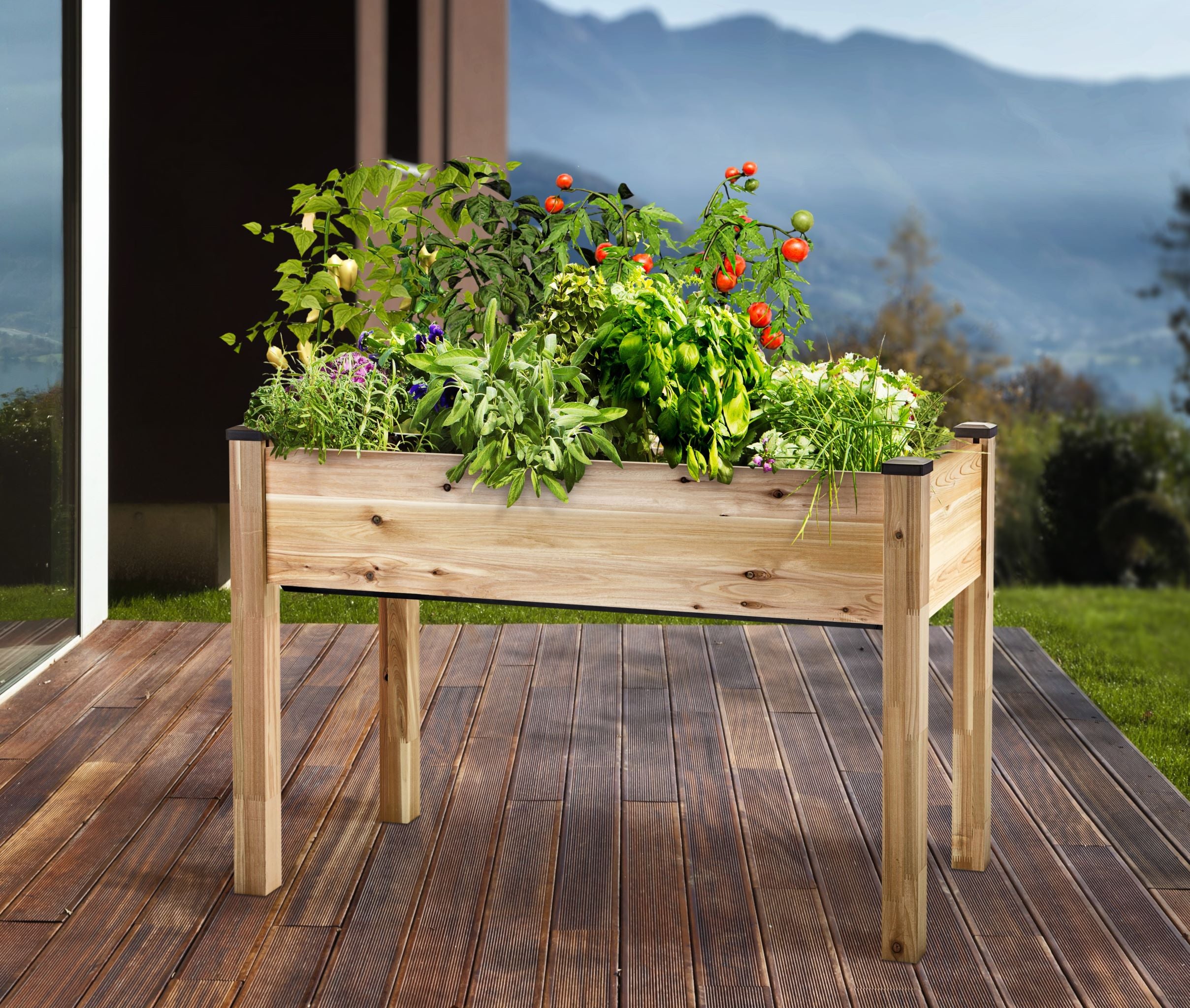
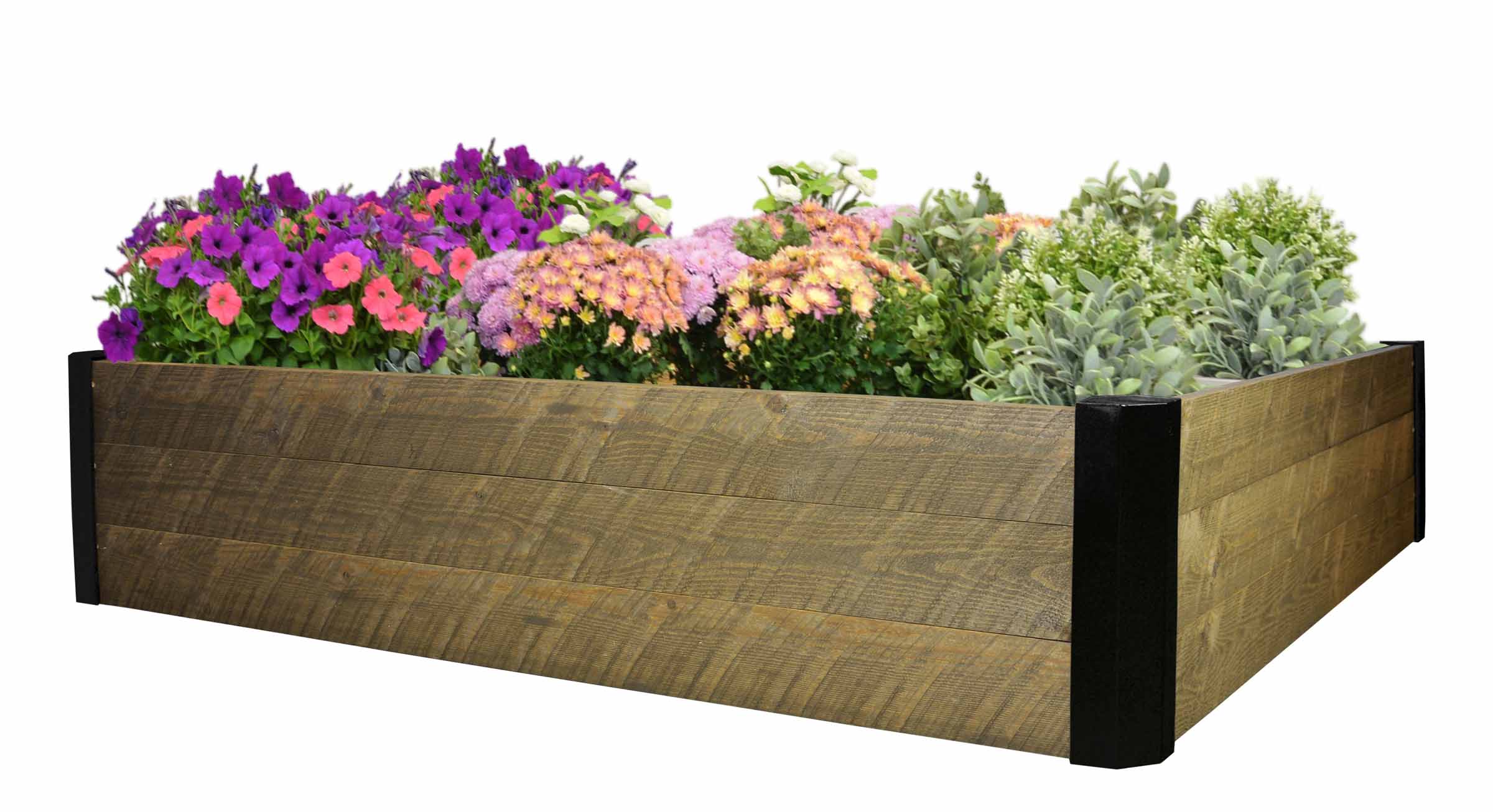
Raised beds and planters tend to drain well, which is great for root health — but they may dry out a little faster than in-ground gardens, especially in summer.
Morning Is Often Best
Watering earlier in the day allows plants to absorb moisture before the heat rises. It also gives leaves time to dry, which can help reduce disease.
If mornings aren’t possible, late afternoon is usually better than watering at night.
Watch Your Plants
Plants often give gentle signals when they need water:
-
Slight wilting during heat
-
Slower growth
-
Dry, crumbly soil surface
A quick watering usually perks them up within hours.
Pro Tip: If plants wilt in the afternoon heat but recover by evening, the soil may still have enough moisture. Always check before adding more water.
Deep vs. Light Watering
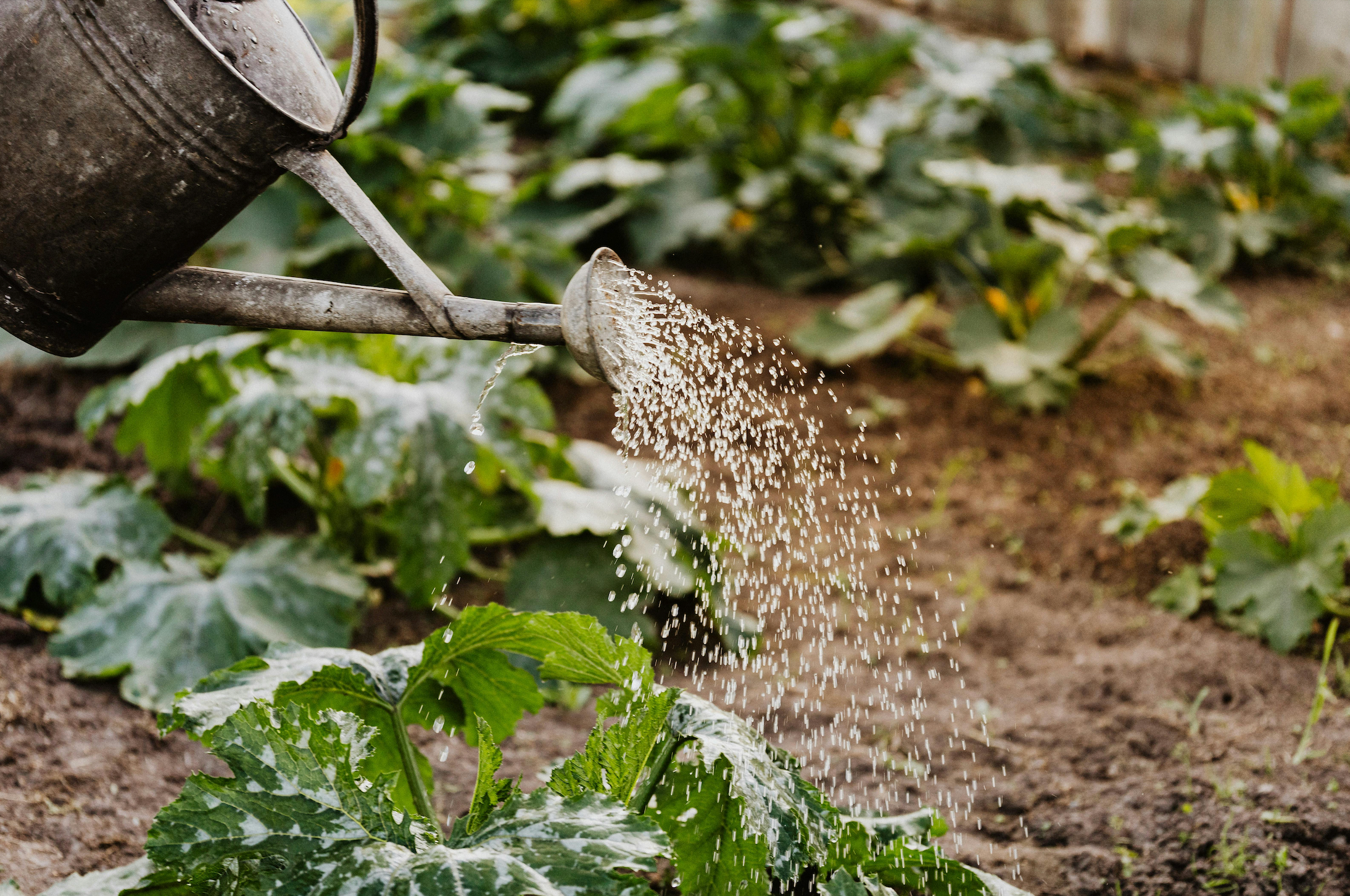
Occasional deeper watering encourages roots to grow downward, helping plants become more resilient during warmer stretches.
A steady soak at the base of the plant is often more effective than frequent light sprinkles.
There’s no perfect formula — but paying attention to your soil and plants will quickly build confidence.
With a little observation, watering becomes second nature, and your garden bed will stay healthy and productive all season long.