
Gardening Adventures Blog


Container Garden Soil 101
Soil is arguably one of the most important aspects to growing a successful garden. It's the foundation of where your food and flowers come from! You can plant your garden in any container, and purchase your seeds from anywhere, but it's your soil that will make your garden grow. Container gardening is a little different than a traditional garden, and we want you to have your most successful CedarCraft garden yet. Here is a handy rundown of what you need to know about container gardening soil to have a bountiful harvest. Garden Soil Is Not Container Soil As tempting as it might be to transfer your garden topsoil to your container garden, that's a sure way to stunt your planter garden's growth. Container gardens need ample air, water, and nutrients from the soil to support your sprouting plants. By using garden soil, it will be easy to flood your garden and drown your plants, while decreasing their nutrients in the process. You should fill the containers with a "soilless" blend that will retain lots of moisture and resist compaction. Compaction is what will decrease the amount of air by the roots, and inhibiting growth by making it more difficult for the sprouts to break through the surface of the soil. Mel's Mix is a tried and true container soil that will work well in both your planter and raised garden bed! Warm Soil Advantage While your neighbors may be spending time doing soil prep work for their garden, you're ahead of schedule with your planters! Container soil will rarely freeze and is easy to maintain over the winter by covering your raised garden bed with leaf mulch or a tarp. Because the soil maintains warmth, it's less work for you and it extends your growing season! If you do find cold soil to be any problem, you can place rocks in your garden to help distribute heat from the sun. Watch Your Water One of the biggest challenges with container gardening is maintaining the moisture balance in your soil. It can be easy to over-water and flood your flowers, but it's also easy for them to dry out quickly. Vegetables need air just as much as water in the soil. You can use straw or mulch to help maintain moisture, prevent over-watering, and prohibit water splashing on the leaves and fruit, potentially causing damage. Rotate Your Soil Just like our farmer friends in the field, container soil becomes depleted over the years, especially if you're continually growing the same vegetables in it from season to season. The soil breaks down, creating compaction, drainage issues, depletion of nutrients, and can it promote the growth of disease in your plants. You can freshen up container soils by adding a fresh blend whenever you start your planting season. Just replace 25% of the mix with a new medium. Don't forget to add some air into the mix by loosening the soil in the planter, while breaking up the clumps and picking out any roots. You can stretch the life of your planter and raised garden bed soil for several seasons. After 6 to 7 years it may be time to replace your container garden soil and start fresh.
Learn more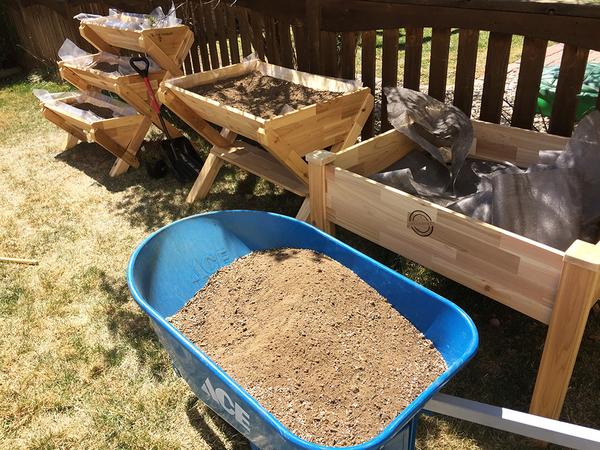
How Much Soil Do You Need?
Spring is here and it’s time to start getting your CedarCraft planters ready! You have them assembled and it was a snap. But now it comes down to the dirty work – filling them with soil. You may be wondering, how much soil do I need to fill this? You may have read our previous blog post on Soil 101 for container gardening. That post gave you some insights on why your container soil is so important for your garden planters and that you shouldn’t dig up dirt from your yard to fill your raised bed. This weekend our CedarCraft team assembled our planter collection and filled them all with a container gardening mix. We’re going to give you some step-by-step instructions on what you need to do to fill your planters. Calculate Cubic Volume First you need to break out the calculator and figure out how much soil your planter needs. You can find a plethora of gardening calculators from a simple Google search. Here’s a handy calculator on Home Depot’s website. To determine how much soil you need to fill your planter or raised bed, these are the dimensions you need for your formula: Length (in inches) x Width (in inches) x Depth (in inches) = total amount of cubic feet or cubic yards of soil. (12 cubic feet of soil = 0.444 cubic yards of soil) We’ve made it even easier for you! If you take a look at our collection descriptions, we have cubic feet of soil capacity for each planter listed: CedarCraft Cascading Planter: 5 cubic feet = 0.1 cubic yards = 77 quarts CedarCraft Elevated Planter: 4 cubic feet = 0.1 cubic yards = 102 quarts PatioCraft Elevated Planter: 6 cubic feet = 0.2 cubic yards = 179 quarts CedarCraft Urban Planter: 5 cubic feet = 0.1 cubic yards = 128 quarts CedarCraft Raised Garden Planter: 11.5 cubic feet = 0.4 cubic yards = 295 quarts PatioCraft Raised Garden Planter: 16 cubic feet = 0.6 cubic yards = 478 quarts Fill With The Right Mix Now that you know how much soil you need, you need to know what kind of soil to fill it with. Since our team filled each planter in our whole collection, we visted our local commercial soil source recommended by landscapers and contractors. We needed a lot of soil and it filled our truck bed! If you have one or two planters, you won’t need to go to these lengths. We used a soil mix with 60% topsoil and 40% compost, and then added an additional 10% vermiculite to that. With shovels in hand, we poured the vermiculite into the truck bed on top of the soil and got to work mixing! With smaller projects, you can pour your soil mixes onto a tarp and rotate. You can also create your own Mel’s Mix we mentioned in our Soil 101 post with this recipe: 1/3 peat moss 1/3 compost 1/3 vermiculite Before you add soil to your planters, make sure you have your liners in place. You will need landscaping fabric for your Elevated and Raised Garden planters. Now you know what kind of soil mix to use and how much, all that’s left is adding it to your planters. Happy gardening!
Learn more